Election Guide
Evacuations from High-Risk Locations Call +44 (0)1202 308810 or Contact Us →

Brazil Heads to the Polls Amid Heightened Security Concerns
On 4 October, more than 150 million Brazilian nationals will be eligible to vote in the country’s general election. The elections are to nominate the president, vice-president, all 513 members of the Chamber of Deputies, 54 out of 81 Federal Senate members, and the governors, vice-governors, and parliamentarians of all federative units. As the president and governors need an absolute majority to win, a potential run-off vote will be held on 25 October.
At the federal level, the elections are a highly polarised contest between incumbent President Luiz Inácio Lula da Silva, of the left-wing Workers’ Party (PT), and challenger Flávio Bolsonaro, of the right-wing Liberal Party (PL). Flávio Bolsonaro is the son of former President Jair Bolsonaro, who held office between 2019 and 2023. The transition between the presidencies of Jair Bolsonaro and Lula was marked by the former’s allegation of a rigged vote, with his supporters storming the Supreme Court of Brazil, National Congress, and Planalto Presidential Palace on 8 January 2023 in an unsuccessful attempt to instigate a coup and reinstate him as president. Bolsonaro was subsequently convicted of several offences including “attempted violent abolition of the democratic rule of law”, “attempted coup d’etat”, and “armed criminal conspiracy”, and was sentenced to 27 years.
Lula currently holds a narrow lead over Flávio Bolsonaro, with a popular support difference of around four to six percentage points. However, neither candidate has the votes to win a majority in the first round, indicating that a runoff is likely. In the event of a runoff, available polling suggests that most voters supporting other candidates would favour Bolsonaro over Lula, narrowing the margin considerably. However, runoff projections continue to place Lula ahead by approximately two percentage points.
While the presidential contest is a clear two-man race, the parliamentary vote is more complex. Seats in Brazil’s Chamber of Deputies are allocated proportionally within individual states, contributing to significant fragmentation across multiple parties nationwide. Available projections suggest that the PL and the PT-led federation are likely to remain among the largest forces in Congress, alongside the centre-right Progressive Union Federation (PP/União). This points to a fragmented legislature in which centre and centre-right parties are likely to retain significant influence, with neither Bolsonaro- nor Lula-aligned blocs expected to secure a clear majority.
The final weeks before the vote have been marked by growing disinformation and challenges to electoral integrity and to candidates’ security. Authorities have identified and publicly denounced several online misinformation campaigns reporting widespread rigging to doctor the election results. Authorities have also noted a growing threat from foreign interference. In late August, the Brazilian Intelligence Agency (Abin) reportedly raised the risk of US influence or interference in the 2026 election to a ‘criticality level’ and assessed that pressure on Brazil was intensifying. Moreover, there is a threat of intimidation or violence against voters and candidates from organised criminal groups. The Federal Police has established a nationwide protection operation for candidates involving more than 450 personnel, armoured vehicles, counter-drone equipment and intelligence teams. Federal troops have also been authorised to reinforce election security in 11 states, including 129 municipalities in Amazonas and Pará alone.
ASSESSMENT
Brazil Election Carries Elevated Post-Vote Unrest Risk
Similar to many recent campaigns in LATAM, much of the Brazilian electoral campaign has been focused on issues of security. Several large, multinational organised criminal groups operate in Brazil, the largest being Primeiro Comando da Capital (PCC) and Comando Vermelho (CV). These groups have increasingly expanded into the country’s north from their southern strongholds, seeking to establish new drug trafficking routes or to exercise greater control over illegal mining, logging and other illicit operations in the Amazon. They have also established alliances with smaller groups, strengthening them in the process and thus creating more opportunities for violent competition. The expansion of narcotics trafficking routes, including to Europe and West Africa, has provoked a surge in violence between criminal groups in states like Bahia, which is currently one of the least-secure areas of Brazil.
The current government of Brazil has sought to counter the growth of criminal groups by deepening coordination between various levels of government, from the local and city levels to the federal government. Researchers have noted that the significant independence that each state government has in setting its own counter-cartel strategy has resulted in uneven coverage and a lack of a coherent approach to combating organised crime nationwide. In 2025, the government proposed a constitutional amendment to strengthen the Unified Public Security System, originally created in 2018, by increasing coordination and standardising aspects of policing and public-security policy across Brazil. However, constitutional limits on Brasília’s ability to directly deploy federal forces against organised crime have constrained the federal government’s operational role. This has likely encouraged the Lula administration to place greater emphasis on disrupting the illegal economies that sustain criminal groups, including through measures such as the 2026 Anti-Faction Law.
The lack of coordination between states has also contributed to periodic, highly violent anti-cartel operations at the local level. These have resulted in significant casualties but have generally failed to materially weaken the underlying structures or operational resilience of the criminal groups. The most notable example is the October 2025 “Operation Containment”, a raid in the favelas of Rio de Janeiro targeting the leadership of CV. The raid escalated into a battle throughout the settlements, resulting in more than 120 deaths, making it the deadliest police operation in Brazil’s history. The operation failed to inflict meaningful damage on CV (local police leaders stated that its impact had been “minimal”), and resulted in significant protests and criticism against the government in Rio de Janeiro.
Brazil Election Could Reshape Relations with US and China
While foreign policy has been a relatively secondary topic in the electoral campaign, the upcoming election is highly likely to be consequential for the geopolitical orientation of South America. During the Lula presidency, Brazil has become a notable global promoter of a “multipolar” diplomacy for the LATAM region, based on engagement with China and Russia via the BRICS bloc, and resistance to an expanded US role in Latin America. Lula has also promoted greater “de-dollarisation”, including expanded use of the Brazilian real and Chinese renminbi in bilateral trade and financial transactions, reducing reliance on the US dollar.
However, since 2023, the electoral victories of several right-wing candidates in LATAM, who have generally espoused pro-US foreign policies, have made Brazil’s position progressively more distinct in the region. The capture of President Nicolás Maduro in Venezuela in January 2026 and the more recent election of right-wing President Abelardo de la Espriella in Colombia have also deprived the Lula administration of two key allies, leaving it increasingly isolated.
Brazil is now increasingly surrounded by members of the US-backed “Shield of the Americas”, an anti-cartel initiative centred on closer security and political cooperation with Washington. Against this backdrop, Lula has adopted a more overtly anti-US campaign position, advocating greater strategic autonomy and reduced dependence on Washington. Most recently, in his opening address at the United Nations General Assembly (UNGA) in New York City in September, Lula stated that “Brazil does not fit in anyone’s backyard” and warned of the US’s “hegemonic temptations” and “neocolonial incursions”.
Flávio Bolsonaro has styled himself after other right-wing LATAM leaders, like Argentine President Javier Milei or Salvadoran President Nayib Bukele, and ran a campaign based on an anti-crime stance and on greater cooperation with the US. Bolsonaro has pledged to classify the country’s cartels as terrorist organisations, matching the US’s classification of them as “foreign terrorist organisations” (FTOs), and to join the “Shield of the Americas”. He also vowed to enter a free trade agreement (FTA) with the US and suggested greater cooperation over rare earths, a strategic priority for Washington. While reiterating his intentions to take a “pragmatic” stance towards China, Bolsonaro has signalled that he will reverse course from his rival’s policy of tightening relations with Beijing.
Organised Crime Shapes Brazil Election Security Debate
There is a realistic possibility that the final days of the electoral campaign, and the voting day itself, will be marked by civil unrest, with the threat likely to be higher in the aftermath of the vote. In 2022, protests erupted almost immediately after Lula was declared the winner of the runoff vote. Pro-Bolsonaro supporters erected more than 300 barricades across the country using trucks and other heavy vehicles, and staged hundreds of protests. Protesters also attempted to invade the perimeter of Guarulhos International Airport in São Paulo. The unrest culminated in the 8 January attack on the main government buildings in Brasília.
Demonstrations, particularly after a presidential candidate is announced as the winner, could escalate into roadblocks, vehicle convoys, or attempts to obstruct key transport routes, resulting in delays on major roads, restricted access to airports, and disruption to public transport. The risk is likely to be highest in major political centres and large cities, particularly Brasília, São Paulo, and Rio de Janeiro.
There is a realistic possibility of targeted political violence being carried out by rival supporters. This also has a precedent after the 2022 elections, when an individual tried to carry out a bombing at Brasília International Airport. In another case, a person was arrested in Brasília as he tried to enter a street celebration for Lula’s inauguration while armed with an improvised explosive device (IED) and a knife.
Alongside civil unrest, there is a threat of violence linked to organised criminal groups. Groups like CV and PCC are likely to retain an interest in influencing the election of candidates, particularly those competing for state-level positions, due to Brazil’s devolution of policing power to individual states. Criminal groups may seek to threaten voters, prevent them from visiting stations, or carry out actions aimed at disrupting the voting process. In 2022, local media reported several cases of criminal groups seeking to influence the vote, including by using intimidation tactics such as circulating written warnings telling residents which candidate they should vote for. These incidents appeared localised, rather than part of a nationwide or even state-wide campaign. However, it is likely that similar incidents will take place during the upcoming election as criminal groups seek to protect local political and economic interests.
Brazil’s Post-Election Outlook
An election victory for Lula would almost certainly strengthen the government’s political mandate, and reinforce its position as the key power counterbalancing US influence in the region. A second consecutive term for Lula (his fourth overall) would allow Brazil to deepen bilateral ties within the BRICS bloc, particularly with China. Lula’s pledge to prioritise national sovereignty and safeguard Brazil’s natural resources, including critical mineral reserves, would almost certainly further strain relations with the US. Moreover, the administration would likely leverage strained relations between the US and EU to deepen ties with the latter, building on the recently approved EU-Mercosur trade deal.
Lula may agree to some security cooperation with Washington to combat transnational criminal groups, particularly in Brazil’s northwestern borders with Colombia and Venezuela, but is unlikely to agree to allow US counter-narcotics operations on its soil. Discrepancies between the Shield of the Americas framework and Brazil’s independent approach to combating organised crime are likely to continue causing occasional diplomatic friction between Brasília and Washington. In the long term, exclusion from US-led anti-cartel initiatives could displace criminal activity into Brazilian territory as enforcement pressure increases in Colombia, Venezuela, Peru and other regional states.
A Bolsonaro victory would likely bring Brazil into closer alignment with the US and strengthen the Shield of the Americas framework. At its launch, the initiative excluded Brazil, Colombia and Mexico, despite these countries hosting some of the region’s most powerful criminal organisations. As in Colombia under De La Espriella, a Bolsonaro administration would likely pursue much closer integration of US intelligence, military and law-enforcement capabilities into Brazilian anti-cartel operations, expanding Washington’s ability to support action against organised criminal groups across the continent.
Bolsonaro would also highly likely implement a hardline policing approach towards organised criminal groups, partnering with ideologically aligned state administrations. This could drive the internal displacement of criminal groups towards states where policing is less aggressive or enforcement capacity is weaker, potentially shifting rather than reducing organised-crime activity. Bolsonaro could, like President Milei in Argentina, reverse the previous trend of growing relations with China and Russia, leading to a reduced role within BRICS in favour of greater cooperation with the US. However, this would likely not result in moves that are deliberately hostile to China, as Brasília cannot afford to alienate its main trading partner. Closer ties with the US would likely focus on areas of key interest to Washington, such as rare earth minerals or the control over irregular migration.

Request Journey Management Support
Election Guide
Guinea-Bissau Votes on Expanded Presidential Powers
Guinea-Bissau Constitutional Referendum Raises Unrest Risk
On 30 August, Bissau-Guineans will vote in a referendum to approve a constitutional amendment, which was already unilaterally approved by the military-appointed National Transitional Council (NTC). The proposed constitution would preserve the formal description of Guinea-Bissau as a semi-presidential system but substantially strengthen the presidency. Voting will take place by universal, direct suffrage, with voters selecting “Yes” or “No” to the question: “[d]o you agree with the entry into force of the new Constitution of the Republic approved by the National Transitional Council?”
Under the proposed amendments, the president would serve as the head of state, direct the executive, and chair the Council of Ministers. The prime minister would remain the head of government but would become subordinate to the president. Accordingly, the president would appoint and dismiss the prime minister after consulting parliamentary parties, while retaining the power to dissolve the legislature. The National People’s Assembly, Guinea-Bissau’s parliament, would retain its legislative oversight functions, including confidence motions and approval of the government programme. It would also be renamed the National Assembly, with its membership reduced from 102 to 65 members. Additionally, parties which fail to secure at least four per cent of the vote in parliamentary elections could be dissolved. Critics have argued that the proposed changes would significantly weaken parliament’s ability to check the president, concentrating greater power in the presidency.
The vote forms part of the transition process established following the 26 November 2025 military coup. After the referendum, elections to restore civilian rule are scheduled for 6 December 2026. Transitional President General Horta N’Tam formally called the referendum through Presidential Decree No. 19/2026, after the Supreme Court assented to the process. According to a junta statement in December, neither N’Tam nor the current Prime Minister Ilídio Vieira Té will be allowed to run for president.
ASSESSMENT
Political Instability Drives Guinea-Bissau Constitutional Reform
Guinea-Bissau has grappled with chronic instability since becoming independent from Portugal in 1973, marked by repeated coups and ongoing political power struggles. The country has experienced at least ten successful or attempted coups, making it one of the most coup-prone countries in Africa. The most recent coup occurred in November 2025, when Guinea-Bissau’s military seized power days after the presidential election and amid competing claims of victory, but before the release of results that were widely expected to be unfavourable to President Umaro Sissoco Embaló.
The constitutional referendum is highly likely to pass. Guinea-Bissau’s shift towards a more presidential system is being framed as a means to reduce institutional conflict and political paralysis. Executive authority is currently ambiguously divided between the president and prime minister. Under Article 96 of the constitution, the prime minister-led government is the highest executive and administrative body. Conversely, Article 103 stipulates that the government is politically accountable to the president and the National People’s Assembly. This unclear division has repeatedly triggered disputes over control of the government, and only one president since 1994 has completed their term in office. As a result, the Economic Community of West African States (ECOWAS) has recommended that the government draft and adopt a new constitution through referendum.
Guinea-Bissau Constitutional Reform Could Extend Military Influence
The constitutional reform will highly likely benefit the military-led transitional authority. While the government’s stated motivation is to end the repeated political deadlocks, the proposed constitutional amendments would substantially strengthen the executive ahead of the planned general elections. Alongside conferring popular legitimacy on a constitution drafted and approved under military rule, the changes would largely centralise authority in the presidency, giving one individual substantial control over the state. Additionally, it would enable the transitional authorities to decide the institutional structure under which the next government will operate, meaning that opposition parties’ powers could be significantly curtailed.
Although the transitional president and prime minister are barred from contesting the December election, the junta appears to be facilitating the return of deposed president Embaló. The Inclusive Patriotic Alliance-Cabas Garandi (API-CG), the Inclusive Alliance Platform-Terra Ranka (PAI–Terra Ranka), and human rights groups have accused the transitional authorities of clearing a path for Embaló while repressing rival political figures, including opposition leader Domingos Simões Pereira, who was detained following the 2025 coup and later placed under house arrest in January 2026. They have also criticised the exclusion of civil-society groups from the constitutional drafting process and called for the referendum to be postponed. By securing approval for the new constitution before potentially restoring Embaló to power, the junta is likely seeking to preserve substantial influence over the country through a proxy administration.
Unrest Risk Rises Ahead of Guinea-Bissau Referendum
There is a realistic possibility of protests and localised violence due to the constitutional referendum. Following the November 2025 coup, hundreds of people demonstrated in Bissau to demand Pereira’s release, while several civil-society groups called for a general strike and a campaign of civil disobedience to restore “electoral truth”. Further protests took place in April 2026 after the killing of a civil-society activist, with demonstrators accusing the security forces of carrying out a politically motivated assassination. Although neither episode developed into widespread unrest, both involved clashes with the police, who used tear gas to disperse demonstrators. During the post-coup protests, the United Nations Office of the High Commissioner for Human Rights also accused the security forces of deploying lethal force, including live ammunition, against protesters.
There is also a realistic possibility that civil unrest could become widespread. Opposition and civil-society groups’ portrayal of the constitutional referendum as an attempt to legitimise military rule increases the likelihood that they will call for large-scale protests against what they regard as a sham transition process. Security forces’ previous use of live ammunition also raises the risk that initially localised demonstrations could develop into a broader movement if footage or reports of a severe crackdown circulate widely on social media. Demonstrations would likely be concentrated in Bissau, where almost one-quarter of the population lives. Focal points for demonstrations would likely include the presidential palace, the National People’s Assembly, and the National Electoral Commission.
Request Journey Management Support
Election Guide
Armenia’s Election Set to Shape the Country’s Geopolitical Future
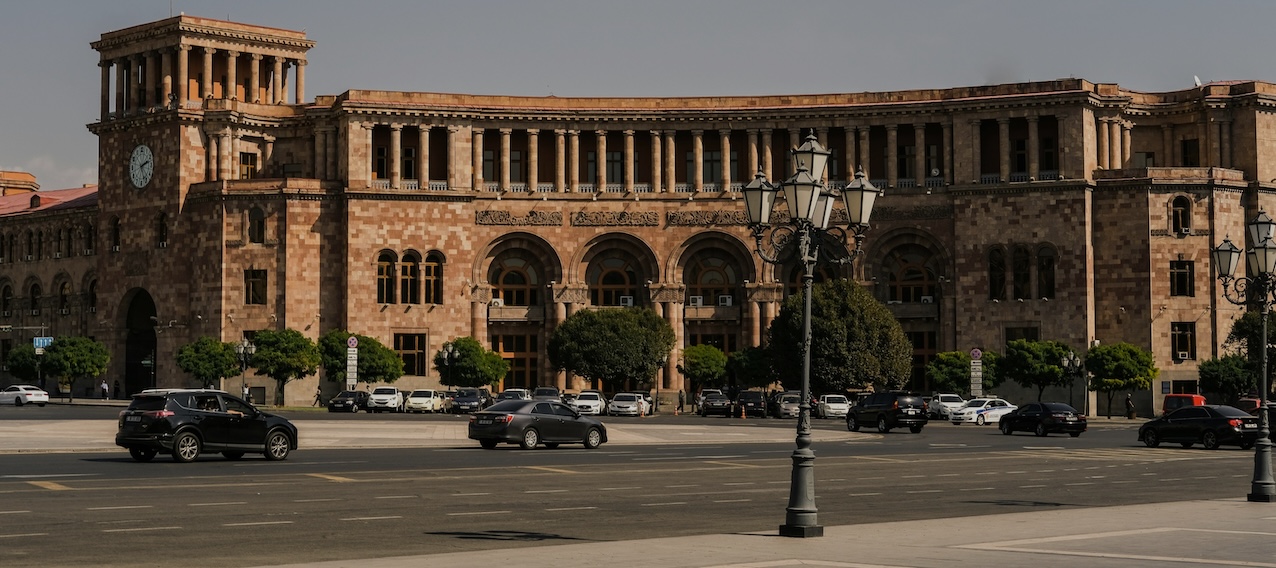
Armenia Heads to Polls Amid Competing Geopolitical Visions
On 7 June, nearly 2.5 million Armenians will vote to elect the 9th convocation of the National Assembly. The unicameral legislature has 101 members, elected for five-year terms across 13 electoral districts under a proportional representation system based on party lists. Seats are distributed proportionally among political forces that pass the electoral threshold: 4 per cent for parties, 8 per cent for alliances of up to three parties, and 10 per cent for alliances of more than three parties.
If a party wins the most votes but secures less than 54 per cent of seats, it receives additional seats to ensure a 54 per cent majority. Conversely, if a party wins more than two-thirds of seats, extra seats are allocated to opposition parties to limit the winning party’s share to a maximum of two-thirds. Four seats are reserved for representatives of national minorities. If no government is formed within six days of the publication of preliminary results, a second round must be held on the 28th day between the two parties that received the most votes.
This election will be the first regular national election since 2017 and follows two snap elections triggered by the constitutional crises in 2018 and 2021. It is also the first election after Azerbaijan’s military takeover of the disputed Nagorno-Karabakh in late 2023, after which the ethnic Armenian population fled to Armenia.
The incumbent prime minister, Nikol Pashinyan, is expected to lead the governing Civil Contract party into the election for his third consecutive term. Pashinyan rose to power following Armenia’s 2018 Velvet Revolution, when mass anti-corruption and anti-establishment protests forced the resignation of long-serving leader Serzh Sargsyan and brought Pashinyan to office on a reformist, democratic mandate. While Civil Contract’s failure to secure a majority in the March 2025 municipal elections in Gyumri raised fears over the party’s declining popularity, the party still dominates the polling, with the latest survey conducted by Breavis placing its support at 65 per cent. The opposition remains highly fragmented, with most parties polling between 2 and 12 per cent and largely comprising blocs seeking to revive ties with Russia.
Leading the opposition polling is Samvel Karapetyan of the Strong Armenia party on 12 per cent, a pro-Russian opposition bloc that emerged in late 2025. However, Karapetyan’s additional Russian and Cypriot citizenships mean that his legal eligibility to run in the election is disputed. The traditional opposition is led by former president Robert Kocharyan, who is associated with the Armenia Alliance, the main opposition bloc in parliament, and is polling at around 6 per cent. Kocharyan is broadly mistrusted by the public due to his association with the pre-Velvet Revolution political establishment. Polling between 2 and 4 per cent are Prosperous Armenia led by Gagik Tsarukyan, Mother Armenia led by Andranik Tevanyan, and the Democracy, Law, Discipline (DOK) Party led by Vardan Ghukasyan.
ASSESSMENT
Armenia’s Election Seen as Referendum on Azerbaijan Policy
The election is being framed as a referendum on relations with Azerbaijan and Russia. In August 2025, Pashinyan and Azerbaijani President Ilham Aliyev signed a joint declaration on the agreed text of a peace agreement, committing each side to progressing towards a formal signing and ratification. While the signing of the peace agreement depends on the adoption of a new constitution, which will require a referendum following the election, support for Pashinyan is largely centred around this issue. Pashinyan’s ousting would likely result in the end of the current peace deal with Azerbaijan.
The peace agreement would end a conflict that has been ongoing since 1988, when Armenian forces gained control of Nagorno-Karabakh during the collapse of the Soviet Union. In September 2023, Azerbaijan launched a rapid military operation in the territory, forcing the capitulation of Armenian forces and the fleeing of over 100,000 ethnic Armenians to Armenia. For this reason, the peace agreement is deeply divisive in Armenia, with public opinion split: 44 per cent in support and 41 per cent opposed. Supporters of the peace agreement argue that Armenia should stop tying its security to claims to Nagorno-Karabakh and open up economic opportunities with Azerbaijan and Turkey. Those who oppose perceive the government’s attempt to engage in a peace deal with Azerbaijan as legitimising Azerbaijan’s victory, which is largely considered a national humiliation for Armenians, and as an abandonment of Karabakh Armenians.
The Armenian Apostolic Church has engaged in heavy criticism of Pashinyan over his handling of Azerbaijan. Senior clergy and church-linked figures have been associated with anti-government protest activity, and in June 2025, Armenian authorities claimed they had foiled a coup plot involving Archbishop Bagrat Galstanyan. This has provided a rationale for a crackdown on the church, with authorities arresting several clerics in the lead-up to the election. Approximately 95 per cent of Armenia’s population identifies with the Armenian Apostolic Church, and the church’s influence will almost certainly shape how the public votes, particularly among conservative, nationalist, and rural constituencies.
Competing Visions for Armenia’s Foreign Policy
A Pashinyan re-election would likely move the formerly Moscow-aligned Armenia closer to the EU, which would pose a strategic threat to Russia’s influence in the South Caucasus. Armenia has historically been one of Russia’s key security and economic footholds in the region. However, Armenia suspended its participation in the Collective Security Treaty Organisation (CSTO), a Russian-led regional security bloc, in February 2024, following the Nagorno-Karabakh war, with Armenia accusing the CSTO of failing to defend its territorial integrity. In March 2025, Armenia’s parliament adopted a law to launch the process of joining the EU. A shift toward the EU would not only erode Russia’s direct influence in Armenia but would also establish a regional precedent that could be adopted by Georgia, which would significantly erode Russian influence in the Caucasus.
Russia has engaged in a disinformation campaign to attempt to sway the election in favour of a pro-Russian candidate. This campaign has attempted to appeal to Armenian nationalists opposed to the peace deal with Azerbaijan, engaging in a smear campaign to portray Pashinyan as an anti-Armenian Western puppet. Additional campaigns have accused Pashinyan and other officials of involvement in “child sex trafficking”. They have also alleged that Pashinyan owns a multi-million-euro property in France and real estate in the UAE, and that he has imported radioactive waste from France for burial in Armenia.
Further reports have claimed that plans are underway to transport tens of thousands of Russian-Armenians to influence the vote. Russian authorities have also imposed restrictions on Armenian imports, including vegetables and wine, exploiting Russia’s position as Armenia’s largest market for agricultural produce, while threatening to suspend their agreement on preferential supplies of gas and petroleum products. Part of Russia’s influence operations has been to portray the EU as interfering in the Armenian election, laying the groundwork for claims of election manipulation should Pashinyan win. While 71 per cent of participants in a 5-11 May 2026 International Republican Institute (IRI) survey believe the elections will be free and fair, this approach could almost certainly trigger protests from nationalist groups in the aftermath of the publication of the election results.
Polarisation Raises Risk of Post-Election Protests in Armenia
The 7 June election is broadly perceived as a contest over Armenia’s geopolitical orientation, making it a highly divisive vote. For many voters, the election amounts to a referendum on Pashinyan’s pro-Western agenda and pursuit of peace with Azerbaijan, versus more nationalist, Russia-aligned alternatives. This has almost certainly deepened political polarisation. Although recent polling broadly favours Pashinyan and indicates Civil Contract are highly likely to sweep the election, earlier surveys indicated a narrower gap between Civil Contract and pro-Russian opposition parties.
A narrow victory for Civil Contract would highly likely give opposition parties, church-linked critics, and nationalist actors greater scope to claim that the election had been distorted by external influence, media imbalance, vote buying, intimidation, or counting irregularities. Russian messaging portraying Pashinyan as a Western proxy would highly likely reinforce this narrative and provide the opposition with a unifying theme around which to mobilise. In this scenario, protests would likely occur in Yerevan, concentrating around the Central Electoral Commission, Republic Square, parliament, government buildings, and major road junctions. Heavy-handed policing, arrests of opposition figures, or forceful attempts to clear protest sites would almost certainly increase the risk of clashes.
If the latest polling is accurate and Civil Contract wins by a wide margin, protests would be far less likely to gain significant traction, with opposition parties and aligned groups likely to struggle to convince non-aligned voters that the result had been swung by external influence or manipulation. Pashinyan would likely present a decisive victory as a strong mandate for his peace agenda, including normalisation with Azerbaijan, deeper EU integration, and reduced dependence on Russia. A decisive Civil Contract victory would also strengthen Pashinyan’s political mandate to pursue constitutional reform, which he has framed as necessary to facilitate a full peace agreement with Azerbaijan.
Request Journey Management Support
Election Guide
Ethiopia Elections Face Security and Legitimacy Challenges
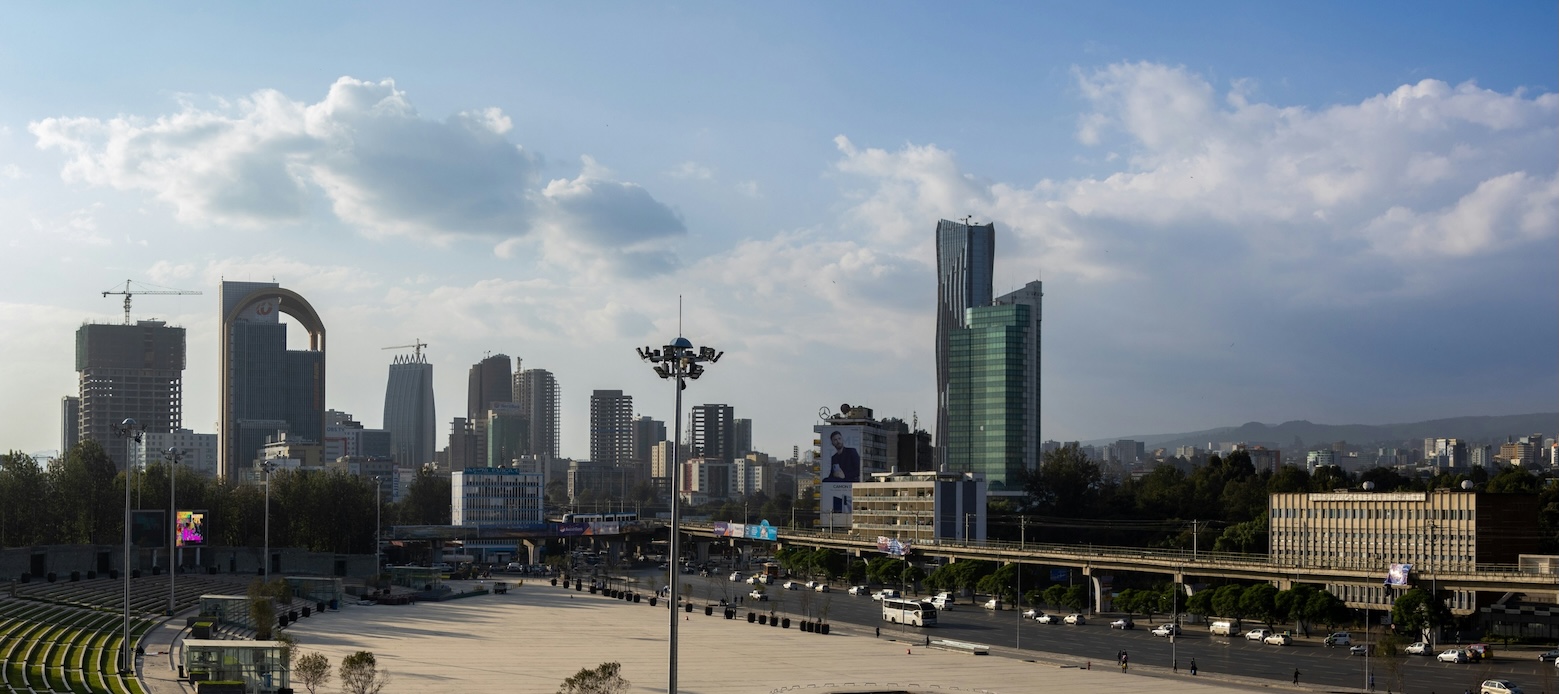
Conflict and Political Fragmentation Overshadow Ethiopia’s Elections
On 1 June, general elections are set to take place in Ethiopia, the seventh held under the post-1995 constitutional order. Voters will elect 547 members of the House of Peoples’ Representatives (HPR), the lower house of Ethiopia’s parliament, for five-year terms. Members are elected in single-member constituencies through a first-past-the-post system. Voters do not directly elect the prime minister. Instead, the House of Peoples’ Representatives selects the prime minister, meaning the party or coalition that secures a parliamentary majority is expected to form the government. Council elections, electing 2,916 regional councillors, will also be held across 12 regions, as well as Addis Ababa and Dire Dawa, with those councils subsequently electing representatives to the House of Federation, Ethiopia’s upper house.
Incumbent Prime Minister Abiy Ahmed will lead the ruling Prosperity Party (PP) into the election, following its dominant victory in 2021, which resulted in the party securing 457 of the 547 seats in parliament. The National Movement of Amhara (NaMA), a right-wing Amhara ethnic nationalist party led by Belete Molla, is the most visible opposition party, but it currently holds only five parliamentary seats. Ethiopian Citizens for Social Justice (EZEMA), a liberal party led by Berhanu Nega, holds just four seats. Two Oromo nationalist parties, the Oromo Federalist Congress (OFC) and Oromo Liberation Front (OLF), led by Merera Gudina and Dawud Ibsa Ayana, respectively, boycotted the 2021 election. The OFC is fielding candidates in the 2026 election to preserve its legal registration, while the OLF has signalled readiness to contest the election.
Amid widespread instability due to ongoing civil wars in Amhara and Oromia, as well as heightened tensions in Tigray, election officials are implementing a three-tier security classification system nationwide. Red areas will be designated unfit for voting, yellow areas require mitigation, monitoring, or additional security measures, and green areas are stable enough for normal electoral operations. In previous elections, seats were left vacant in constituencies where voting could not take place, with polls postponed or cancelled in some areas because of insecurity, logistical constraints, or political disputes.
ASSESSMENT
Conflict and Displacement Threaten Ethiopia’s Electoral Credibility
While Prime Minister Ahmed has declared this is the “best” election to date, with 47 registered parties and nearly 11,000 candidates, several challenges remain. The legitimacy of the upcoming election has already been called into question, with tensions in multiple major regions, including Amhara, Oromia, and Tigray, where limited participation is likely to result in claims of election manipulation. This is exacerbated by the fact that most parties participating in the election broadly align with the PP, allowing the government to present the election as competitive without risking any real competition. Opposition parties are expected to remain largely sidelined, as they were in 2021, when the PP won 96.8 per cent of parliamentary seats. It is highly likely that PP will again secure an overwhelming victory.
Furthermore, the National Election Board of Ethiopia (NEBE) faces significant legitimacy challenges. In 2021, NEBE struggled to register internally displaced persons, a problem that is highly likely to continue in 2026, given Ethiopia’s continued displacement crisis and the absence of a recent census. Although the African Union (AU) assessed the 2021 election as broadly “peaceful” and “orderly”, the International Republican Institute/National Democratic Institute (IRI/NDI) observer mission concluded that the process “fell short of key standards concerning human and civil liberties, electoral campaigning, adequate security for all parties, and overall peace and security.”
These shortcomings are likely to negatively influence perceptions of NEBE’s neutrality and capacity in the upcoming election. This is particularly since many areas are excluded from voting, and displacement and administrative gaps are likely to result in inaccurate voter rolls, under-registration, and contested results. As a result, even if NEBE can administer polling in secure areas, the election is likely to face renewed questions over inclusivity, competitiveness and national legitimacy.
Regional Instability Threatens Ethiopia’s Electoral Process
Amhara
The designation of some areas in Amhara as “red”, which means unfit to vote, almost certainly threatens to exacerbate regional tensions. While Amhara and Oromia are two of Ethiopia’s most populous regions, the ongoing internal armed conflicts in both regions render accurate polling near impossible. In Amhara, conflict has been ongoing since the federal government’s 2023 decision to dismantle regional special forces. At least 12,000 people have been killed and 100,000 displaced. The fragmented Fano armed movement controls over 80 per cent of rural territory, with the Ethiopian National Defence Forces (ENDF) largely restricted to major towns and highways. In March 2026, Fano issued a warning that any entity assisting the electoral process will be considered “enemies of the Amhara people equal to the government”. Voting will almost certainly be restricted to urban areas under government control, and many citizens are unlikely to vote due to the risk of polling stations or voters being targeted by Fano.
Oromia
The situation is similar in Oromia, where the OLA has fought government forces since 2018/2019, with at least 5,000 people killed. The insurgency has seen civilian killings, mass kidnappings, and numerous transport strikes with enforced road closures. On 23 March, OLF-OLA issued a statement dismissing the election as a “performance staged for foreign consumption” and claiming that over 70 per cent of the country is inaccessible for voting.
The OFC and, despite its criticism of the election, OLF’s potential participation almost certainly gives the 2026 election more formal pluralism than a complete boycott would, with the government able to present the presence of Oromo nationalist parties as evidence of inclusion. However, OFC leader Gudina has argued that opposition parties cannot safely move, campaign, list candidates, organise observers, or mobilise supporters outside Addis Ababa. As with Amhara, the restrictions on polling in Oromia are highly likely to deepen the grievances of excluded populations. Even so, OFC and OLF participation highly likely lowers the risk of major electoral violence in Oromia, with armed groups unlikely to target polling infrastructure.
Tigray
During the general elections, the post-war Tigray Interim Administration (TIA) was expected to give way to a regular elected regional council. In May 2025, the Tigray People’s Liberation Front (TPLF) was deregistered by the National Election Board of Ethiopia (NEBE), meaning Tigray’s dominant political force is effectively unable to contest the 2026 elections. Additionally, the House of Federation has ruled that elections for the HPR will be held in five contested constituencies, but without corresponding elections for Tigray regional council seats under Tigray’s administration. This means that the vote has been perceived as politically illegitimate, with the Tigray Interim Administration (TIA) stating that “territorial integrity is non-negotiable”.
Tensions have escalated over the past year, with clashes between the Tigray Defence Force (TDF) and the Ethiopian National Defence Force (ENDF) in early 2026. On 8 April 2026, the government unilaterally extended the mandate of the TIA, raising doubts over whether Tigray would transition from the interim administration to an elected regional council and regular constitutional governance through the 1 June electoral process. On 5 May, in response to the mandate extension, the TPLF replaced the government-backed leader, Tadesse Werede, with Debretsion Gebremichael, who had been Tigray’s leader during the 2020-2022 conflict. This was part of a reinstatement of the Tigray Government Assembly (parliament), which has displaced the TIA as the governing framework and revived the pre-war regional government structure. Tadesse warned that such a move would annul the 2022 Pretoria agreement, which ended the civil war which killed over 100,000 and displaced nearly three million.
The restoration of the pre-war parliament almost certainly increases the risk of a renewed confrontation in Tigray, particularly if either side attempts to militarily enforce its claimed authority. The 2020 conflict began after the TPLF rejected the government’s decision to postpone national elections and held its own regional election in Tigray, which the government declared illegal. The government’s handling of the elections in Tigray has been highly likely perceived as an attempt to retain control over the region and prevent its transition to self-governance. By declaring an end to the interim administration, the TPLF are almost certainly threatening the legal-political basis of the post-Pretoria Agreement transition. The election will highly likely reflect the ongoing fracture between the government and Tigray’s leadership and could serve as a flashpoint for either side to attempt to exert its control over the region, which almost certainly risks reigniting the conflict.
Heavy Security Response Expected to Unauthorised Protests in Ethiopia
Because of the restricted participation in the conflict regions, limited civil unrest is highly likely. Demonstrations have taken place in Addis Ababa over tensions in Amhara, Oromia, and Tigray in recent years. The regions’ partial exclusion from the upcoming elections, combined with the escalating dispute over Tigray, almost certainly raises the risk of demonstrations during the election. Addis Ababa hosts an estimated 500,000 to one million Tigrayans, with the federal government perceived to be sidelining Tigrayan self-determination in favour of continuing the TIA led by the government-backed Tadesse.
However, any unauthorised pro-opposition rallies are highly likely to see a severe crackdown, while authorities will likely allow some smaller, less overtly anti-government demonstrations to take place under heavy monitoring. For example, in February 2025, Tigrayans living in Addis Ababa held a peaceful anti-war rally, but were forced to submit slogans to the Addis Ababa Administration for approval. Other planned pro-Tigray rallies in November 2024 were banned by the government, with the organisers placed under arrest. Should demonstrations proceed without permission, security forces are likely to respond forcefully, using tear gas and mass arrests to deter further demonstrations, imposing internet outages to disrupt mobilisation, and potentially using live ammunition if protests escalate and threaten key government sites or security forces.
Request Journey Management Support
Election Guide
Colombia Prepares for High-Stakes Presidential Contest
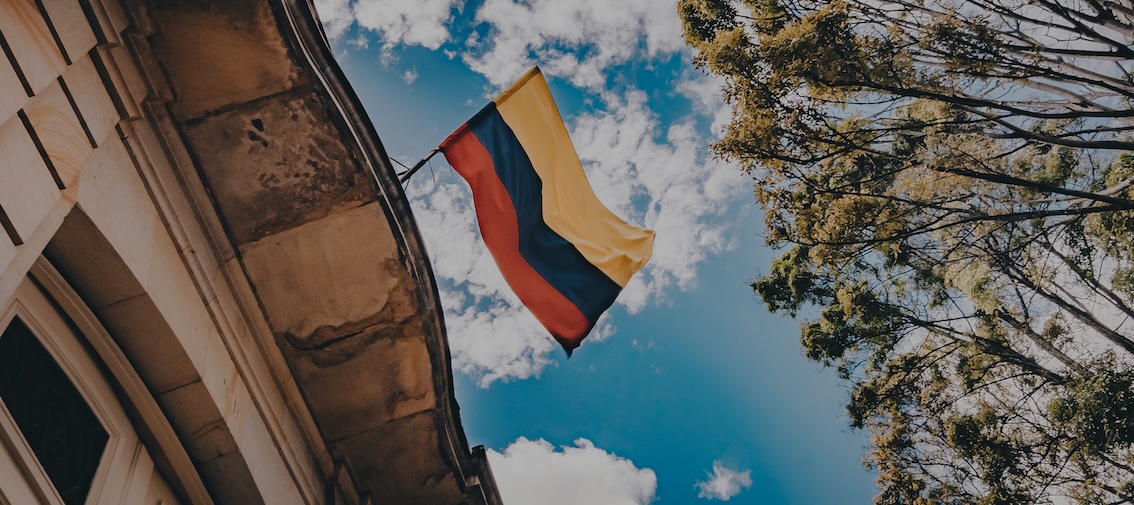
Colombia Election Outlook Dominated by Security Crisis and Armed Group Violence
On 31 May, up to 41 million Colombians will be eligible to vote in the country’s presidential elections, which will decide the successor to incumbent President Gustavo Petro, who is constitutionally barred from seeking immediate re-election. If no candidate secures 50 per cent of the vote on 31 May, a run-off between the two candidates that secured the most votes will be held on 21 June.
With Petro ineligible, polls have identified three candidates who have a realistic chance of winning. Senator Iván Cepeda Castro, the candidate of the Pacto Histórico (Historic Pact, PH), currently leads the polls. PH is a left-wing alliance formed in 2025 by Petro, consisting of four parties: Unión Patriótica (Patriotic Union), Polo Democrático Alternativo (Alternative Democratic Pole), the Partido Comunista Colombiano (Colombian Communist Party), and Humane Colombia (Humane Colombia). Cepeda has built a strong and diverse base and has intensified efforts to reach out to indigenous rights groups in regions such as Cauca.
Cepeda is widely expected to reach the second round. Consequently, two right-wing candidates are likely competing for the second runoff spot. Abelardo de la Espriella, of the Movimiento de Salvación Nacional (National Salvation Movement, MSN), has emerged as a populist right-wing figure with a platform and rhetoric similar to Latin American leaders like El Salvador’s Bukele or Argentina’s Milei, rooted in calls to dismantle the “establishment”, slash regulation, and crack down on organised crime. Senator Paloma Valencia of the Centro Democrático (Democratic Centre, CD) is a more centrist right-wing candidate, often categorised under the term “Uribismo”, after the policies of former President Álvaro Uribe Vélez, who also endorses more hardline security policies.
The presidential elections will take place only months after the latest parliamentary contest, in March. This vote was marked by very low turnout (just over 50 per cent) and returned a fragmented chamber. The parties of the three leading candidates all achieved positive results: PH increased its seat share by five, with both CD and MSN increasing their numbers.
The campaign has been dominated by security concerns amid a major increase in militant violence across Colombia. In the past year, there have been several high-profile assassinations of political candidates, most notably the June 2025 killing of Miguel Uribe Turbay, one of the early competitors to become CD’s presidential candidate, and multiple cases of intimidation. In April 2026, Valencia claimed that an armed group had planned an assassination attempt targeting her, while President Petro alleged the existence of a plot to assassinate Cepeda.
In April and May, there have been several cases of journalists and party activists being killed, with the murders being linked to organised crime and armed groups. On 16 May, gunmen assassinated two members of de la Esprella’s campaign staff in Cubarral, Meta Department, while a member of Valencia’s electoral staff had his armoured vehicle fired upon, also in Cubarral. On 22 May, gunmen opened fire on a PH office in Flandes, Tolima Department.
ASSESSMENT
Colombia’s Security Policy and the Future of Total Peace
The election is widely seen as a referendum on President Petro’s flagship Paz Total or “Total Peace” policy. Petro, a former guerrilla of the leftist M-19 group, has prioritised dialogue and negotiated settlements with Colombia’s armed groups over coercion or expanded security operations under the policy. Cepeda, who was one of the principal architects of Total Peace and has served as one of Petro’s main negotiators, advocates for the continuation of the policy, despite growing scepticism. Conversely, both leading right-wing candidates have promised to abandon Total Peace and adopt more aggressive measures to combat organised crime and militancy, likely partially inspired by El Salvador’s Mano Dura (“Iron Fist”) approach, which has spread throughout Latin America over the last three years.
Total Peace was implemented in 2022 and has achieved some limited successes. The policy has resulted in the creation of formal negotiation channels with several armed groups, temporary ceasefires, and the demobilisation of some smaller factions. However, it has almost certainly failed to deliver a sustained reduction in violence, curb illicit economies or dismantle the primary armed groups, with groups like the Ejército de Liberación Nacional (National Liberation Army, ELN), the FARC dissident group Estado Mayor Central (Central General Staff, EMC), and the Clan del Golfo (Gulf Clan, AGC) still highly active across multiple regions of the country. Critics have argued that armed groups, many of which have evolved from political movements into profit-driven criminal networks, have simply exploited Total Peace and its associated ceasefires to regroup, consolidate territorial control, expand recruitment and increase extortion and other illicit revenue streams.
According to NGO Ideas para la Paz, armed groups now have approximately 27,000 fighters (up from an estimated 15,000 in 2022). Armed groups are firmly embedded within local populations, have increasingly been able to operate freely in their respective areas of influence, and have expanded territories under their control, resulting in violent competition over strategically valuable areas for narcotics production, smuggling or other illicit enterprises, such as illegal mining. Currently, the only major group the government is in negotiations with is the AGC, a violent drug cartel that has doubled its territory under Petro and increased its ranks by almost 150 per cent.
Armed groups have also emulated global trends by increasingly adopting advanced weapon systems to carry out attacks, including unmanned aerial vehicles (UAVs), which they have used to drop explosives on police and military positions, often posing a direct threat to civilians. In 2025, the Ministry of Defence recorded 333 drone attacks, up from 61 the year prior.
Total Peace came under increased scrutiny in 2025, in response to an escalation of the Colombian internal conflict. Several armed groups conducted high-profile “offensives” across the country or increased attacks, primarily to expand territorial control and expand illicit economies, but also likely to challenge state authority and strengthen their bargaining position ahead of the presidential election. This has resulted in the displacement of tens of thousands of civilians and likely the worst humanitarian situation in over a decade, with Colombia also currently hosting as many as 3.5 million Venezuelan refugees. Attacks on security forces and critical transport routes have increased, as has disruption to business operations in conflict-affected departments such as Catatumbo, Cauca, Valle del Cauca and parts of Antioquia. By some estimates, as many as ten million people now live under the influence of armed groups.
In January 2025, the ELN launched an offensive against FARC-dissident groups in the Catatumbo region, a key border area with Venezuela, which led to more than 100 deaths and the displacement of 50,000 people. In December, the ELN launched another series of attacks, which also affected the city of Cali, Colombia’s third-largest city and a major economic and transport hub, in the Valle del Cauca department.
The EMC also escalated attacks in 2025 and has continued to do so in 2026. EMC’s first escalation cycle was in early 2025; however, the most significant shift was observed in June 2025, when the militant group launched a wave of coordinated attacks across the Cauca and Valle del Cauca departments, demonstrating a more organised capacity and intent to disrupt security forces, transport routes and urban centres.
Most militant attacks have concentrated on state security forces; there has been a major increase in civilian casualties. Reporting from the International Red Cross Committee (IRCC) indicates that there were 965 people injured or killed by explosives, most being civilians. The report also documented 282 cases of violence against health workers related to the armed conflict, and 308 new disappearances. While an increased civilian casualty toll is likely partly attributable to the indiscriminate nature of explosive devices, several high-profile attacks indicate that civilians have likely been deliberately targeted or that armed groups are increasingly willing to accept civilian casualties to achieve their objectives.
The most notable of these incidents was the 25 April 2026 detonation of a vehicle-borne improvised explosive device (VBIED), near the town of Cajibio, in the department of Cauca in southwest Colombia. The explosion, which occurred approximately one month ahead of the election, killed at least 21 people and injured dozens, and resulted in major transport disruption on one of Colombia’s most important transit corridors. Reports indicate that the bomb was detonated after assailants stopped traffic by blocking the road with a bus and another vehicle, actions that likely indicate the intent to maximise civilian casualties. The attack, which was the most brutal against civilians in decades, coincided with a series of coordinated attacks in the Valle del Cauca and Cauca departments, that was immediately attributed to the EMC.
Militant offensives and an escalation in attacks have significantly undermined Total Peace and increasingly forced the Petro administration to adopt a more coercive approach, characterised by increased military deployments, enhanced security measures, increased operations aimed at killing or capturing militant senior leadership, and closer security cooperation with international partners, particularly the US, despite the Washington’s sustained criticism of Petro and its own controversial operations against narcotics smuggling just outside of Colombian territorial waters.
Petro’s gradual shift has almost certainly influenced the actions of militant groups. Under increased pressure and facing the threat of expanded military operations and foreign involvement, attacks like the April VBIED and other high-profile attacks are likely aimed at undermining state control and influencing the future course of action of not just the current government, but also other presidential candidates. The strategic message being sent is that government operations attempting to contain the influence of armed groups or disrupt their operations will be met with significant and costly armed resistance.
Security Threats Ahead of Colombia’s Presidential Election
With internal security assessments almost certainly determining there is a credible risk of increased militancy up to and during the election, the Colombian government has implemented heightened security measures. Measures include the planned closure of all borders with Brazil, Ecuador, Peru, Panama, and Venezuela between 30 May and 1 June. More than 248,000 uniformed personnel, roughly equally provided by the police and military, will be stationed at polling stations as part of “Project Democracy”. States more exposed to armed conflict, such as Cauca, will have a higher volume of personnel deployed.
The EMC and the ELN have announced unilateral “ceasefires” between 20 May and 10 June to coincide with the vote. However, these ceasefires are unlikely to be reliable indicators of reduced election-related risks and may be attempts to distance themselves from political violence. Moreover, ceasefires are unlikely to extend to intimidation, movement restrictions or “armed strikes”, vote tampering, or other non-violent measures designed to influence turnout and local voting behaviour. During the March 2026 Colombian parliamentary elections, local election observers reported potential irregularities at more than 1,000 polling stations. Colombian armed groups are also very decentralised, and there is a realistic possibility that ceasefire declarations made by senior leadership will not be uniformly adhered to by local commanders of factions.
Most importantly, the self-declared ceasefires do not cover the potential second round on 21 June. Polling indicates that no candidate is likely to achieve more than 50 per cent of the vote, with the second round likely to feature Cepeda against one of the right-wing candidates that has promised a much tougher stance on armed groups. As it is likely that most of the supporters of the losing right-wing candidate will shift to the remaining right-wing contender, the second round is likely to be perceived as a direct contest between an attempt to restore Total Peace and a marked shift towards expanded security operations. This would likely increase the incentive for armed groups to influence the election and could increase the risk of high-profile attacks aimed at deterring the incoming administration from abandoning the negotiation process.
Two Paths for Colombia’s Security Strategy
The 2026 presidential election will almost certainly be highly consequential for the future trajectory of Colombia’s internal armed conflict. A Cepeda government will likely remain committed to Total Peace and reopen dialogue with armed groups, assessing that a change in president could be interpreted as an opportunity to stabilise negotiations and reverse the recent path of President Petro. However, while such a course of action has the potential to reduce violence in Colombia, it is likely to play into the hands of the armed groups, which will likely continue to exploit the policy to consolidate territorial control, expand illicit economies, delay demobilisation and potentially increase their leverage in future negotiations.
A victory by a right-wing candidate would likely result in the rapid abandonment of Total Peace. Both de la Espriella and Valencia would likely expand security operations and deploy increased resources to Colombia’s most affected areas. Both would also likely explore options to expand security cooperation with the US, mirroring developments seen elsewhere in Latin America. This could potentially involve Colombia joining the “Shield of the Americas”, increased intelligence-sharing, and even a possible pathway for US kinetic operations on Colombian territory, a development that has recently been observed in Ecuador.
However, recent developments in Colombia likely illustrate limitations to a more hardline approach. Offensives and reprisal attacks likely indicate that armed groups have yet to be deterred by expanded government operations, and incidents like the April Pan-American Highway attack or attacks within major population centres likely indicate a continued willingness to escalate despite the threat of state retaliation. Moreover, Colombia’s armed groups are well-embedded within the civilian population, highly decentralised and are adept at exploiting Colombia’s mountainous, jungle and borderlands to evade security operations. The imposition of security strategies observed elsewhere in Latin America is likely to be of limited effectiveness, given the resources required to combat multiple armed groups operating in challenging terrain on several fronts, with expanded security operations likely to provoke retaliatory attacks aimed at undermining the state’s efforts to curb militancy and disrupt illicit economies.
Request Journey Management Support
Election Guide
Benin Election Raises Protest and Coup Risk
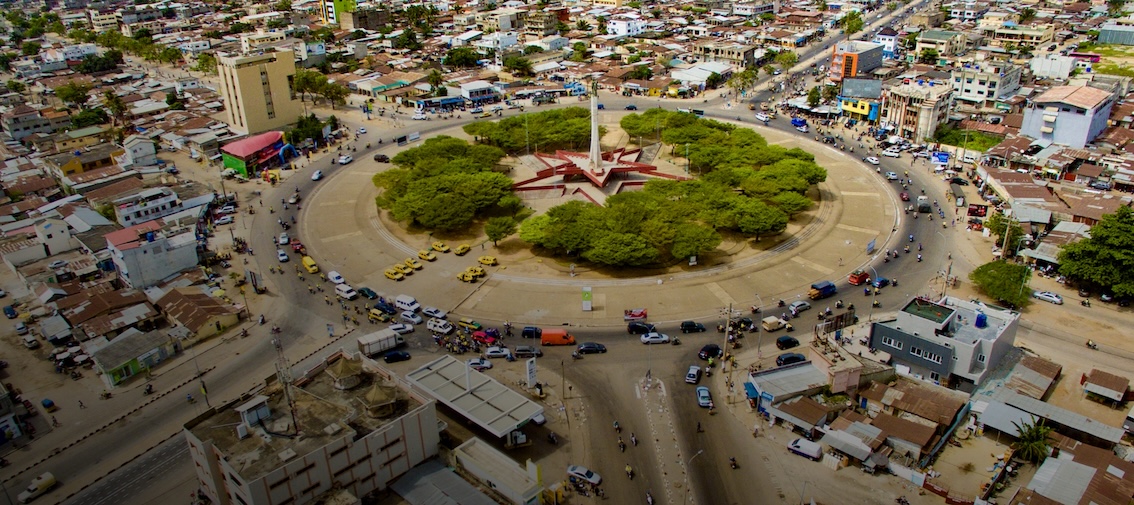
Benin Votes Amid Opposition Exclusion and Rising Security Risks
On 12 April, presidential elections are set to take place in Benin. The president is elected through a two-round system to a five-year term. If no candidate wins a majority in the first round, the two leading candidates will face each other in a runoff held within 15 days of the initial vote. Presidents are limited to two five-year terms. Each presidential candidate must run with a vice-presidential running mate, who also has a five-year term and must complete the president’s term if the president is impeached or is otherwise unable to govern.
The elections follow parliamentary elections on 11 January, whereby two parties aligned with incumbent President Patrice Talon, Bloc Républicain (BR) and the Union Progressiste le Renouveau (UPR), won all 109 seats in the National Assembly. The main opposition party, Les Démocrates, finished third with a meaningful national vote share. However, Benin’s electoral code requires a party to clear a 20 per cent threshold in each electoral district to qualify for seat allocation, preventing Les Démocrates from winning any seats.
Only two candidates have been approved by the Constitutional Court to contest the presidential elections. President Talon has reached his constitutional term limits, nearing the end of his second term in power, and is barred from running again. Finance Minister Romuald Wadagni is running as the overwhelming favourite. Representing the ruling coalition of the BR and the UPR, he represents a continuity of Talon’s leadership. Opposing him is Paul Hounkpè, former mayor of Bopa and leader of the Forces cauris pour un Bénin émergent (FCBE) party. Hounkpè ran as a vice-presidential candidate during the 2021 presidential elections.
The main threat to Wadagni, Renaud Agbodjo, presidential nominee of Les Démocrates, was barred from contesting the election by the Constitutional Court. The ban was implemented on a technicality that he did not obtain a sufficient number of endorsements from members of parliament and that the party failed to pay the registration fee. Agbodjo, also a lawyer, is widely recognised, having defended numerous high-profile opposition politicians from alleged politically motivated charges.
Wadagni is running on a platform of continuity, while promising new policies, such as creating new development hubs across the country and expanding access to healthcare. His campaign also emphasises his achievements as Finance Minister, such as tripling the national budget and bringing Benin’s GDP growth to the highest in over 20 years. Under Talon’s presidency, real per capita incomes increased by 27 per cent over the past 10 years, and infant mortality rates have declined by 25 per cent. Hounkpè, on the other hand, lacks a strong unified opposition coalition behind him and is operating in a system that favours incumbency and constrains opposition mobilisation.
ASSESSMENT
Recent Coup Attempt Raises Risk of Further Military Fracture in Benin
While positive economic developments have marked Talon’s presidency, so has an increasing crackdown on the opposition, increasing concerns that he would not relinquish power. Talon’s government has imposed numerous obstructions on opposition parties since 2019, including excessive party registration fees, a “certificate of conformity” that serves as a legal filter, the use of a special terrorism court to try political opponents, and requirements that presidential candidates gain the endorsement of members of parliament. This, combined with the effective barring of meaningful opposition, almost certainly heightens the risk of opposition figures accusing the government of running a fraudulent election.
In the background of the election is the escalating insurgency in northern Benin. Benin is one of the most affected coastal West African states by the spillover of terrorism from the neighbouring Sahel region. The primary threat is from the Katiba Hanifa faction of the al-Qaeda-linked Jama’at Nusrat al-Islam wal-Muslimin (JNIM), which promotes divisive intercommunal messages while engaging in extortion and illicit trafficking. The group was responsible for an attack which killed 54 Beninese soldiers in April 2025 and another attack which killed 15 in March 2026. Overall, an estimated 375 people have been killed over the past year in Benin at the hands of insurgent groups.
The rising insurgency-related violence led to a military coup attempt on 7 December, when a military faction, calling itself the Military Committee for Refoundation and led by Lieutenant Colonel Tigri Pascal, appeared on Benin’s state television and announced the dissolution of the government and national institutions, the suspension of the constitution, and the closure of land, air, and sea borders. With the help of Nigerian air and ground support, the coup attempt was quickly put down. This was the second such attempt since 1977, with an alleged coup plot also disrupted in January 2024. This almost certainly suggests a division between the government and the military and significantly raises the risk of further military coup attempts should electoral violence break out.
To ease fears of the escalating violence, Wadagni has conducted numerous campaign rallies in northern Benin to represent the government’s control over its territory. Furthermore, he has promised to establish municipal police forces in border towns in the north to defend against insurgent attacks. Analysts have noted that the ongoing insurgencies will likely motivate the government to increasingly crack down on opposition in an attempt to consolidate control over the country. This is highly likely, with the recent 7 December attempted coup likely to be used as a pretext for consolidating control by the ruling party and further cracking down on opposition.
While widespread demonstrations following the presidential election may be avoided due to Benin’s strong economy over the past decade, fuel price increases caused by the blocking of the Strait of Hormuz have already triggered minor protests. There is also a historical precedent of post-election unrest, with clashes taking place in May 2019 after opposition parties were excluded from the election. This resulted in the security forces using live ammunition, rubber bullets, and water cannon to deter further protests, which killed at least two. There is a realistic possibility of similar protests being staged, particularly if the election is perceived as rigged, with the security forces likely to again respond with force, which could exacerbate unrest.
Request Journey Management Support
Election Guide
Hungary Elections Amid Rising Polarisation and Unrest Risk
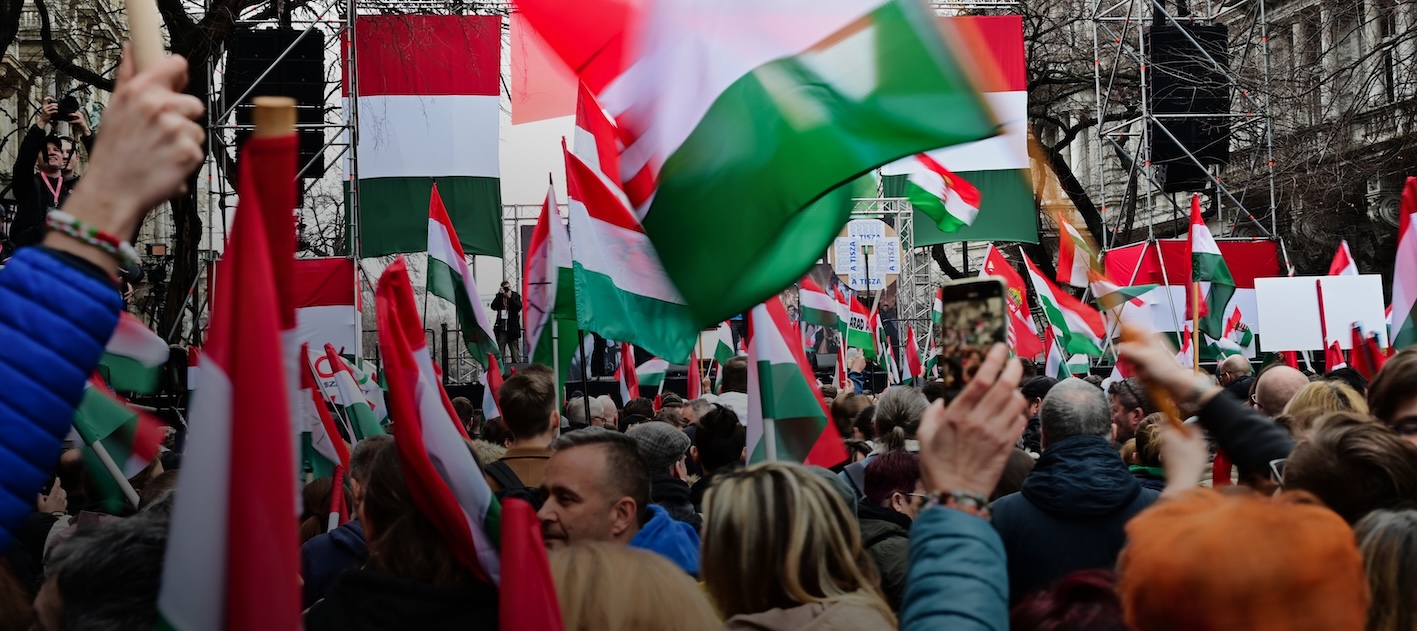
Hungary Votes in Highly Contested Election After 16 Years of Fidesz Rule
On 12 April, Hungarian citizens will vote in their country’s parliamentary elections to elect the 199 members of the Hungarian parliament, the National Assembly. Parliamentary elections are held every four years, and use a mixed system, where 106 MPs are elected via a first-past-the-post system in single-member constituencies, and the remaining 93 are decided via proportional representation within a single, nationwide constituency. Voters who reside in Hungary cast two votes (one for a national constituency and one for their local, single-member constituency), while voters residing abroad can only vote in the nationwide constituency.
Some features of the system, such as the “surplus booster” (whereby winning candidates in single-member constituencies have their surplus votes – the vote difference between them and the second-place candidates – added to their party’s national tally, impacting proportional seat distribution) heavily favour winning parties. For example, in 2014 and 2018, the winning party, Fidesz, won a parliamentary supermajority despite obtaining less than half of the total votes.
The elections are set to be a contest between two parties: Fidesz, the ruling party of Prime Minister Viktor Orbán, in power since 2010; and the opposition Tisza party, led by Péter Magyar, a Fidesz defector and current member of the EU Parliament (MEP). While smaller parties exist, they all poll at five per cent or less and are unlikely to fundamentally skew the election results.
Tisza, which was founded in 2020, remained relatively uninfluential until 2024, when Magyar joined the party amidst a child abuse scandal involving former Hungarian President Katalin Novák, and reoriented it into a big-tent, populist party campaigning on an anti-corruption platform. Policy-wise, Tisza has a considerably “friendlier” stance towards the EU compared to Fidesz, even maintaining a degree of openness towards entering the Eurozone. At the same time, it is opposed to sending weapons to Ukraine, and Tisza MEPs have repeatedly voted alongside Fidesz on Ukraine-related issues. In terms of domestic policies, the party campaigns on dismantling what it calls the “mafia state” by rooting out corruption within the government. It also opposes immigration and favours reforms to introduce term limits and direct presidential elections.
Aggregates of current polls suggest that Tisza is ahead of Fidesz by around ten points (49 per cent to 39 per cent of the vote). However, if single polling institutes are considered, results vary considerably. Government- and Fidesz-aligned groups repeatedly indicate advantages of up to ten points for Orbán, and opposition-aligned polls suggest that Tisza is ahead by up to 15 points.
ASSESSMENT
Political Polarisation Drives Unrest Risk Ahead of Elections
The upcoming Hungarian elections will likely be the most heavily contested in more than a decade. Recent developments have contributed to a significant polarisation of the electorate, with both parties repeatedly levying accusations of corruption and foreign interference, and several political figures indicating a high risk of the results being doctored.
The final days of the electoral campaign have been almost entirely marked by foreign policy issues. On 5 April, Orbán convened an emergency meeting of the National Defence Council following the reported discovery of explosives near a pipeline at the Hungary-Serbia border. Magyar claimed that the move was a last-minute attempt to rally domestic support via a “false flag” operation blamed on Ukraine. On 7 April, US Vice President J.D. Vance visited Hungary to call on citizens to support Fidesz, following other demonstrations of support enacted by the current US administration towards European right-wing parties.
Russian support for Orbán has also been open and marked by recent high-profile diplomatic meetings between Budapest and Moscow. Following the publication of a report by international media in March, which alleged that Hungary’s Foreign Minister Péter Szijjártó regularly leaked confidential information on EU meetings to Moscow, Magyar accused Fidesz of treason. On the other hand, the ruling party has repeatedly accused Tisza of being controlled or heavily influenced by Brussels or Kyiv.
The current high levels of polarisation in Hungary and the significant spike in misinformation ahead of the vote are likely conducive to election-related unrest. There is a realistic possibility of localised violence between supporters of different parties in the 9-11 April period, leading up to the elections. Moreover, there is a realistic possibility of unrest emerging after the results are published. Previous warnings of vote tampering, the significant discrepancies between pre-election polls, alleged episodes of state-linked interference (such as the reported attempted pipeline sabotage), and even features of the Hungarian electoral system itself (such as the usual delays in counting votes by diaspora communities, which are crucial electoral constituencies) have likely increased the risk of claims of electoral fraud in the immediate aftermath of the vote.
Several possible scenarios could emerge from the vote. If early election results show a clear victory for either major party, it is likely that this would result in a quick concession by the losing side, reducing the short-term risk of civil unrest. An Orbán victory would almost certainly be received coolly in Brussels, but it is unlikely to result in the same institutional challenges as those that followed the 2024 Romanian presidential elections. A Tisza win would almost certainly be accompanied by a spike in Russian-led disinformation efforts. However, this is unlikely to result in a significant increase in the risk of large-scale civil unrest, as Tisza remains broadly aligned with Fidesz in multiple areas and does not mark a significant ideological shift.
A second scenario with a much closer result, for instance, one where the elections’ outcome is dependent on the diaspora vote, would likely greatly increase the risk of the losing side officially challenging the elections’ integrity, or that of either party claiming an early victory while votes are still being counted (this would highly likely lead to the other side doing the same). In such a scenario, foreign intervention is much more likely and could catalyse domestic unrest, as the perception of explicit foreign backing would likely embolden both sides to take increasingly confrontational stances. This, in turn, could increase the threat of large-scale unrest occurring in the weeks and months after the election, increasing political instability in Hungary and more broadly within the European Union.
Request Journey Management Support
Election Guide
Nepal Holds High-Risk General Elections After Youth-Led Unrest
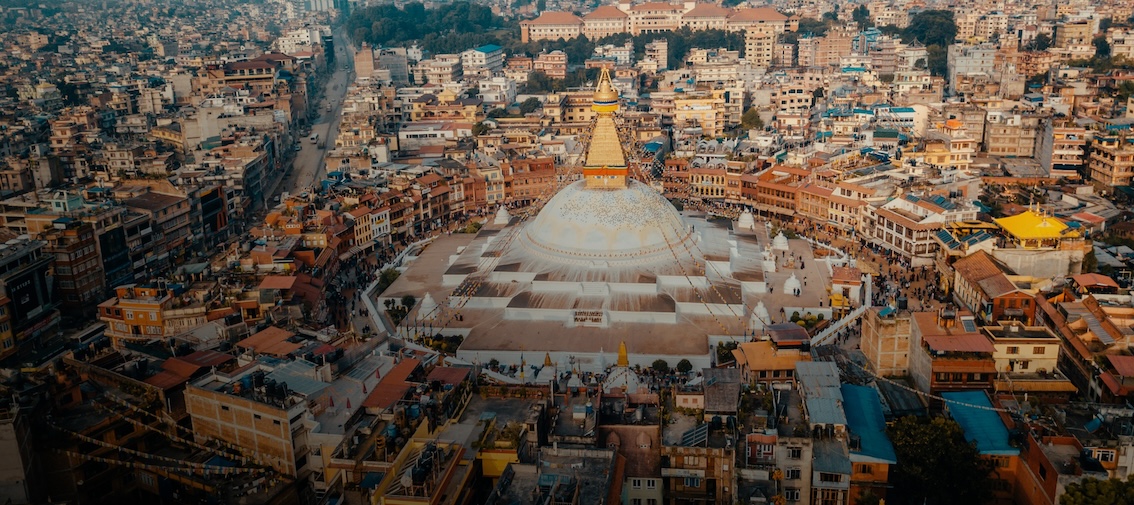
Sporadic Violence Expected During Nepal General Elections
On 5 March, Nepalese citizens will vote to elect all 275 members of the House of Representatives (HR), the lower house of the Federal Parliament of Nepal. The elections were announced on 12 September 2025 by the President of Nepal on the recommendation of the government of Nepal, following widespread anti-government demonstrations, which resulted in the formal dissolution of the HR.
The election will take place under two ballots, one to elect 165 members from single-member constituencies via first-past-the-post, and another to elect the remaining 110 members via party-list proportional representation. A party, or coalition, must receive at least three per cent of the votes to be allocated a seat in the proportional vote. Nearly 19 million people are registered to vote, including 915,000 first-time voters, more than two-thirds of whom belong to Gen Z.
Approximately 3,500 candidates from 68 different parties, plus independents, are set to take part in the election. There have been no widely published and credible national opinion polls projecting party vote share. However, based on the previous election in 2022 and the seats held at the time of dissolution, there are five major contenders, representing the entire political spectrum, from communist parties to right-wing pro-monarchist parties.
- The Nepali Congress (NC) or “Congress Party” held 88 out of 275 at the time of dissolution. The NC is one of Nepal’s oldest and historically dominant parties, and has the largest party membership. It has traditionally been viewed as a centrist and democratic party, with broad nationwide appeal across urban and rural constituencies. It is putting forward Gagan Thapa as a prime ministerial candidate, a prominent reform-oriented leader.
- The Communist Party of Nepal (Unified Marxist–Leninist) (CPN-UML) was the second most represented party in the HR at the time of dissolution, with 79 seats. Despite holding fewer seats than NC, its leader, KP Sharma Oli, was in power when the large-scale youth-led protests erupted in September 2025, heading a coalition government formed in partnership with the NC that commanded a parliamentary majority. The party is contesting this election with the same leader on a socialist-leaning platform that combines economic development with social welfare.
- The Nepali Communist Party (NCP) has recently emerged as a left-wing alliance combining the Communist Party of Nepal (Maoist Centre) (CPN (MC)) and eight other leftist groups. The MC held 32 seats, with its allies accounting for only limited additional representation in the HR. Its prime ministerial candidate is former three-time prime minister Pushpa Kamal Dahal, also known as “Prachanda”. The party is positioned further left of the CPN-UML, advocating for expanded state intervention in the economy, improved labour rights, wealth redistribution, and stronger implementation of federalism.
- Representing the monarchists is the Rastriya Prajatantra Party (RPP), campaigning in support of ex-king Gyanendra Shah, who was deposed in 2008. The RPP also advocates restoring Nepal as a Hindu state, reversing the country’s current secular constitutional framework. The party held only 13 seats at dissolution, but has been able to mobilise supporters and organise large-scale pro-monarchy rallies in recent years.
- The Rastriya Swatantra Party (RSP) is a newer, reform-oriented party that held 21 seats at dissolution. RSP represents a challenge to old parties, with a strong youth voter base. Balen Shar, a popular former mayor of Kathmandu, will represent the party as its prime ministerial candidate as part of an alliance between him and the RSP.
ASSESSMENT
Sporadic Violence Highly Likely Around Polling Centres in Nepal
Nepal’s parliament was formally dissolved on 12 September following widespread youth-led anti-government protests, which began on 8 September. The Gen Z-led demonstrations were triggered by the government’s decision to restrict 26 social media and online platforms after they failed to register within a seven-day deadline. The protests quickly escalated into a broader anti-corruption movement, with mass demonstrations in Kathmandu and several other cities. The protests resulted in the burning down of Nepal’s parliament building and widespread clashes with police and security forces, who responded with live ammunition. In total, an estimated 76 people were killed, and over 2,000 injuries were recorded. In response to the unrest, the military imposed a curfew, ending the violence. The demonstrations triggered a lifting of the social media ban and the resignation of Prime Minister K.P. Sharma Oli.
Following the dissolution of parliament, the military coordinated with youth representatives, who discussed the appointment of an interim prime minister on a Discord server with over 100,000 members. The members settled on former chief justice Sushila Karki, who became the first female prime minister of Nepal and was given the mandate to lead a transitional government, oversee the restoration of order after unrest, and organise fresh general elections by March 2026. Karki has agreed to step down following the vote.
The election will almost certainly represent a contest between older established parties, such as NC, CPN-UML, and NCP, and newer youth-oriented parties such as RSP. Among Nepal’s established parties, older candidates over 40 dominate nomination lists, which contrasts with Nepal’s electorate, 52 per cent of whom are aged between 18 and 40. The established parties largely retain support from rural voters, older citizens, longstanding party loyalists, public sector workers, and patronage-dependent constituencies. The established parties have attempted to expand their appeal to Nepal’s youth through social media engagement, having historically failed to resonate with young voters, who perceive the parties as mired in entrenched corruption, dynastic politics, unrepresentative of younger voters, and having limited internal democracy.
Despite the attraction of less-established parties and the power of the youth vote, NC and CPN-UML are the likeliest parties to win the most seats. Firstly, they are the only two parties fielding candidates in nearly all 165 constituencies. Secondly, an alliance of NC and CPN-UML won convincingly in the National Assembly election on 25 January 2026, with NC winning nine seats and CPN-UML winning eight, out of the total 18 contested seats. Moreover, the fact that 68 total parties are contesting the election means seat fragmentation is the likeliest outcome, which typically benefits parties with the broadest base.
RSP is positioned as a key challenger, appealing to Nepal’s large youth base, but its vote share in the 2022 election was 10.7 per cent, compared to NC and CPN-UML’s 25.7 and 27 per cent, respectively, meaning it would need more than double its vote share to realistically compete. The monarchist RPP won 5.6 per cent of the vote and is unlikely to be a major challenger; however, recent pro-monarchy protests may indicate that it will increase its vote share.
It is highly unlikely that any single party will secure the 138 seats required for a majority in the 275-member HR, suggesting that a hung parliament is the most probable outcome. Consequently, some form of coalition-building will be required, potentially involving ideologically incongruous parties and controversial nominations. Such coalition-building is unlikely to have broad public appeal, especially given long-standing frustration with elite power-sharing arrangements, opportunistic alliances, and the role of patronage politics.
Sporadic violence is highly likely around the election. On 9 February, the UK Foreign, Commonwealth and Development Office (FCDO) issued a warning declaring that “[t]here is a risk of protests, political violence and travel disruption ahead of the general election scheduled for 5 March 2026.” Extra security forces have been drafted to ensure order, with around 300,000 officers and temporary election police deployed as campaigning began on 16 February.
In Nepal’s 2022 elections, clashes occurred around polling centres across the country. In one instance, police opened fire during fighting at a polling station, killing one person. Explosions also occurred near polling stations in numerous districts, although no one was injured, suggesting the improvised explosive devices (IEDs) were intended for disruption and intimidation purposes. Similar incidents are highly likely in the upcoming elections, given the highly fragmented political landscape in Nepal and the long history of localised electoral violence.
The government has grouped polling centres based on risk level, classifying 3,680 as “highly sensitive”, 4,442 as “sensitive”, and 2,845 as “normal”. No “highly sensitive” polling stations are in Kathmandu and Bhaktapur; many are, instead, in more geographically remote areas, with Madhesh Province having the highest number. Three police officers and ten election police members will be deployed to the “highly sensitive” polling stations; three police officers and six election police will be deployed at “sensitive” polling stations; and two police officers and five election police will be deployed at “normal” polling stations.
One of the major lines of tension is between monarchists and republicans. On 18 February, former king Gyanendra Shah called for the election to be postponed, warning that the ongoing nationwide dissatisfaction could deepen political instability. Nepal experienced clashes between monarchist and republican protesters during large-scale pro-monarchy demonstrations in both 2023 and 2025. In both protests, mass arrests were made, and many people were injured, resulting in the security forces deploying tear gas and water cannon, as well as imposing curfews.
In November, over twenty youth-led monarchist groups submitted a memorandum calling for the resignation of Prime Minister Karki. Monarchist groups also engaged in demonstrations on 13 February, when thousands of monarchists rallied to greet Gyanendra Shah on his return from holiday, ignoring prohibitory orders around the airport. The calls from Gyanendra Shah to postpone the elections, alongside the recent history of violence between monarchists and republicans, almost certainly increase the risk of clashes around polling stations on 5 March.
There is also a realistic possibility of civil unrest following the publishing of election results. Former Prime Minister Oli of the CPN-UML, who was ousted in the youth-led unrest in September 2025, could be elected again due to the party’s historical dominance and broad voter base. If CPN-UML fail to appeal to Nepal’s youth, they will likely perceive Oli’s potential return to office as a reversal of the September uprising. Furthermore, many remain dissatisfied with the lack of accountability for the excessive force used by security forces, the perceived impunity for political elites, and unfulfilled reform expectations, and some groups oppose the election itself, arguing that the interim government has “betrayed” the September revolt.

Request Journey Management Support
Alert+
Bangladesh Elections Held Amid High Violence Risk

Heightened Security and Unrest Risk in Bangladesh
SITUATION SUMMARY | Intelligence cut off: 15:00 GMT 09 FEBRUARY 2026
On 12 February, Bangladesh is holding general elections and a constitutional referendum. The vote is the first since the 2024 July Revolution, which toppled the government of former Prime Minister Sheikh Hasina. The elections are being contested by thousands of candidates at both the local and national levels. Around 127 million people are eligible to vote at the 42,761 polling centres distributed nationwide.
Bangladesh is currently undergoing a period of severe instability, marked by protracted street clashes and mob violence, often along political, religious, or ethnic lines, which has caused hundreds of deaths since the July Revolution.
Due to the extent of the security risks associated with the vote, the interim government has pledged to deploy extraordinary security measures, including redirecting military and border police personnel to law enforcement duties coinciding with the vote. On 8 February, the Election Commission (EC) declared that around 971,000 security personnel will be deployed as part of this programme, “for seven days [after] the polls”, at least.
Authorities have also claimed that, starting two days before the vote, between 16 and 18 security personnel will be deployed at each polling station, with higher manpower devoted to “vulnerable” areas. Moreover, the EC has announced that only selected officials will be able to enter “within a 400-yard radius” of the polling stations with mobile phones.
Other notable restrictions imposed during the voting period include a daily cap (BDT 10,000), announced by the Bangladesh Bank (BB) on person-to-person internet banking transactions, which will be in place until 23:59 (local time) on 12 February. This was justified by authorities as an anti-corruption measure.
INTELLIGENCE ANALYSIS
High Likelihood of Election-Day Political Violence in Bangladesh
There is a high likelihood of political violence on election day, and in the days immediately before and after the vote. There have already been high levels of violence, with clashes between supporters of the two major parties – the Bangladesh Nationalist Party and Jamaat-e-Islami – in the final days of the electoral campaign. Furthermore, several party leaders have warned that their opponents are planning to commit electoral fraud, allegations that have been further “validated” by a spike in online disinformation.
Some party leaders have also asked their supporters to act as de facto vigilantes, going to voting stations to “monitor” that no fraud takes place. Following the mobile phone ban, local media reported that multiple parties have threatened to “besiege” the EC, claiming that the measure is unwarranted and unjust. It is highly likely that both domestic and international actors will increase the volume of fraud claims on election day and during the vote-counting process.
On 12 February, there is a high likelihood of unrest near polling centres, local and national party offices, and government structures, as supporters of opposing parties could engage in confrontations while “monitoring” the vote. The harassment of voters (particularly those from religious and ethnic minorities) and journalists near polling stations cannot be ruled out. There is a realistic possibility that the authorities will impose internet blackouts in response to unrest or violence, limiting situational awareness on the ground.
Foreign nationals or assets are likely to be at an increased risk of violence. Embassies and other diplomatic offices will likely have a heightened risk of being targeted during the voting period and following the vote. This is due to repeated and widespread allegations of foreign attempts to meddle in the elections.
Travel and Safety Guidance for Bangladesh
- Avoid all major government buildings, polling stations, military barracks, universities, and police facilities.
- Reassess travel to large Bangladeshi urban areas on election day and in the days immediately following the vote.
- If already in-country, minimise travel to city centres.
- If travel is necessary, allocate additional time for all road movements.
- Plan for internet and communications disruptions; ensure you have emergency contacts saved on your phone and plan any potential travel routes. Emergency contacts should include the local authorities, medical facilities, and any consular support.
- Consider using a virtual private network (VPN) to mitigate the impact of internet geo-blocking.
- Ensure that mobile phones and other electronic devices are charged in case of any loss of electricity.
- Avoid displaying national, political, or religious symbols.
- Closely monitor announcements from local authorities and media sources for any developments that may severely impact the local security environment.
- Avoid all areas of potential unrest due to incidental risks to bystanders. If caught in unrest, travellers should move with the crowd until they find the nearest opportunity to escape.
- Always follow all instructions and orders from security forces. Where possible, avoid areas of active unrest and remain in a secure accommodation.
- Prolonged civil unrest can disrupt travel, especially if protesters begin targeting airports. Travellers should have contingency measures in place, including evacuation plans and reliable access to food, water, and medication.
- If caught in the vicinity of a security incident, seek shelter immediately and leave the area if safe to do so. Continue to adhere to all instructions issued by authorities and obey any security cordons in place.
- If available, monitor your intelligence provider’s alerting platform and trusted local media for updates relevant to the unrest.

Request Evacuation Assistance
If you need secure, coordinated support to move personnel out of a high-risk location, our team is ready to help – quickly, calmly, and with care.
Election Guide
Bangladesh Elections Held Amid High Violence Risk
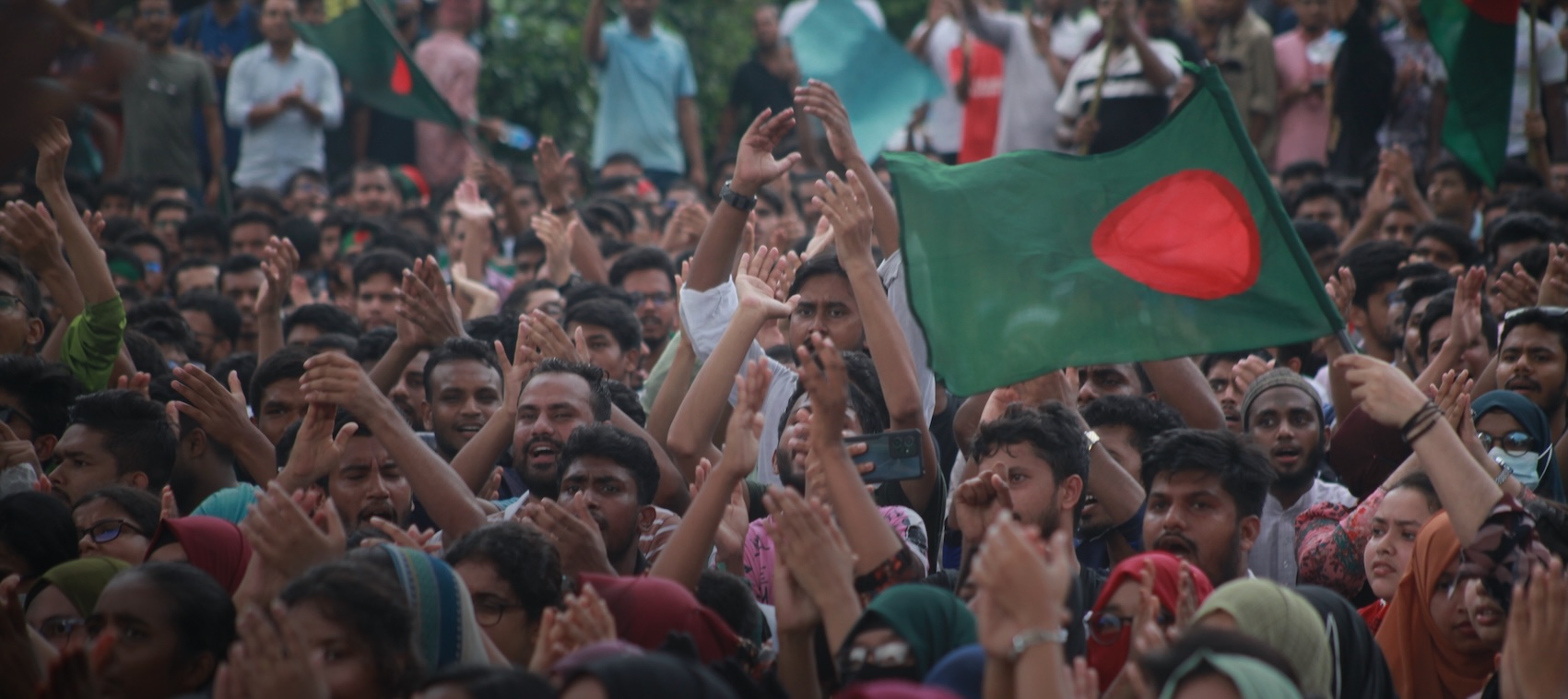
Bangladesh Holds First Elections Since 2024 Revolution
On 12 February, over 127 million Bangladeshi citizens will be eligible to cast their votes for the first time since the 2024 July Revolution, which toppled the 15-year government of Prime Minister Sheikh Hasina and her Awami League (AL) party. Voters will elect 300 members of the Jatiya Sangsad, the 350-member national parliament. The remaining 50 parliament seats are reserved for women and are assigned proportionally by the other MPs. Voters will also decide on the July Charter, a constitutional reform framework agreed upon by 30 parties following the uprising.
Dozens of parties have fielded more than 1,900 candidates to contest the 300 seats. However, the electoral campaign has evolved into a two-sided contest. On one side, the big-tent Bangladesh Nationalist Party (BNP) is leading the polls. Before the revolution, BNP was the main opposition party in Bangladesh. Since AL was banned in May 2025, BNP has managed to attract large swathes of supporters of the previous government.
Opposing it is a coalition, known as the “Like-minded 11 Parties” or “United Bangladesh”, founded in October 2025. The group is led by the other two major players in Bangladesh’s post-revolution political scene: the long-established Islamist party Jamaat-e-Islami (JI), which has emerged as a leading force on the right after years of marginalisation under Hasina, and the new, student-led National Citizen Party (NCP).
NCP, which was founded after the uprising, initially emerged as a reformist, progressive force. However, it has struggled to translate street support into electoral momentum. Its alliance with JI, which places it within a de facto right-wing Islamist coalition, has led to significant infighting, further weakening the party. In January 2026, 15 NCP party leaders resigned over the coalition deal.
The vote will take place amid high levels of mob violence and political clashes, often driven by the various parties’ youth wings. Hundreds of politically motivated assassinations or mob killings have occurred since the revolution, with political groups violently competing to “inherit” the spoils system that had previously been controlled by AL. Moreover, labour disputes, growing crime rates, socioeconomic grievances, a structural decline in the economically vital garment manufacturing sector, and an increase in sectarian violence in the restive Chittagong Hill Tracts region have all contributed to creating a highly unstable electoral campaign, and have resulted in major concerns over Bangladesh’s future political, economic and security trajectory.
Reflecting the high levels of insecurity, on 5 February the UK’s Foreign, Commonwealth, and Development Office (FCDO) updated its Bangladesh travel advisory to recommend “against all but essential travel” to the country.
ASSESSMENT
Disinformation and Close Results Likely to Drive Instability in Bangladesh
The two votes are likely to be very differently contested. The referendum will highly likely return a resounding victory for the “Yes” vote, as the July Charter remains backed by all the major parties as well as the incumbent interim government. However, the parliamentary vote will likely be deeply competitive.
The failure of the NCP to organise effectively and to build a significant base of support has made it likely that the elections will be a contest between the BNP and JI. This dynamic is likely to be conducive to growing ideological polarisation and street violence. Throughout January 2026, several episodes of violent clashes between BNP, JI, and other parties’ canvassers have occurred across the country, injuring dozens of people.
A key test for the stability of post-electoral Bangladesh will be whether there is a general acceptance of the outcome of the 12 February vote. Several factors are likely to hinder such a scenario. First, current polls indicate a close contest between BNP and JI. There is a realistic possibility that polls will return a close or uncertain result, which could prolong the vote-counting period and delay the release of final tallies.
Second, several leaders have publicly warned of “plots” to doctor the results. These statements could constitute attempts to lay the foundations for a rejection of the vote as invalid. Finally, local media have reported on a growing spread of online disinformation targeting the election, often leveraging Artificial Intelligence-generated content. The spread of fake or misleading stories online has become a key driver of mob violence in Bangladesh and is likely to intensify during and after the vote.
Deep political polarisation and the spread of online disinformation have a realistic possibility of inciting “vigilante” violence by political activists targeting poll workers or voters during and after voting procedures. In the days immediately following the vote, further cases of mob violence targeting officials, candidates, and elected representatives, as well as inter-party clashes, remain likely. Attacks on foreigners, minorities, or foreign-owned businesses are also possible, particularly if claims of “foreign involvement” in the election were to spread online. For example, previous cases of mob violence have targeted American-owned businesses or businesses perceived to be pro-American or pro-Israeli.
In the medium term, instability and violence are likely to remain pervasive. The likelihood of further insecurity will largely depend on the parties’ acceptance of the election outcome. In a scenario where this occurs, possibly via a commitment by the parties to respect the electoral results, Bangladesh could reach a level of greater political stability. Pre-election commitments, however, would need to be paired with assurances that the new opposition will not be marginalised from the policymaking process. These dynamics would need to involve at least the three major parties, but could be extended to other key political players. This, of course, would not eliminate other pre-existing issues, such as the economic and labour-related challenges faced by Bangladesh, but would likely reduce the short-term threat of political violence.
A more likely scenario involves the elections resulting in protracted political instability. In this scenario, competition for control of the patronage networks left behind by AL’s collapse prevents the parties from reaching a meaningful agreement. Even if the central leadership acquiesces to a deal, local and student chapters, who are more dependent on local patronage networks, are likely to continue violently competing. Smaller groups marginalised under Hasina are expected to exploit the opportunities created by the revolution, but are likely to react negatively to any indication that they will continue to be excluded from any form of political influence.
In any scenario involving long-term political instability, economic instability is likely to deteriorate. Foreign direct investment (FDI) would likely decrease, especially in key industrial sectors, as investors delay commitments or reallocate capital to more stable markets and political environments in the region, such as India, Indonesia, Vietnam or Cambodia. In the fiscal quarter following the July Revolution in 2024, FDI inflows to Bangladesh dropped by 71 per cent, as investors avoided the country due to deadly political unrest, labour agitation and high degrees of political and economic uncertainty.
Failure to achieve any meaningful form of political stability or cohesion in Bangladesh is likely to reinforce the country’s economic and security issues. In turn, prolonged instability is conducive to worsening recurrent cycles of economic disruption, labour unrest, political violence, deteriorating crime rates and sectarian tensions, many of which remain unresolved.
Request Journey Management Support
Election Guide
Thailand Elections Amid Political Crisis and Security Risks
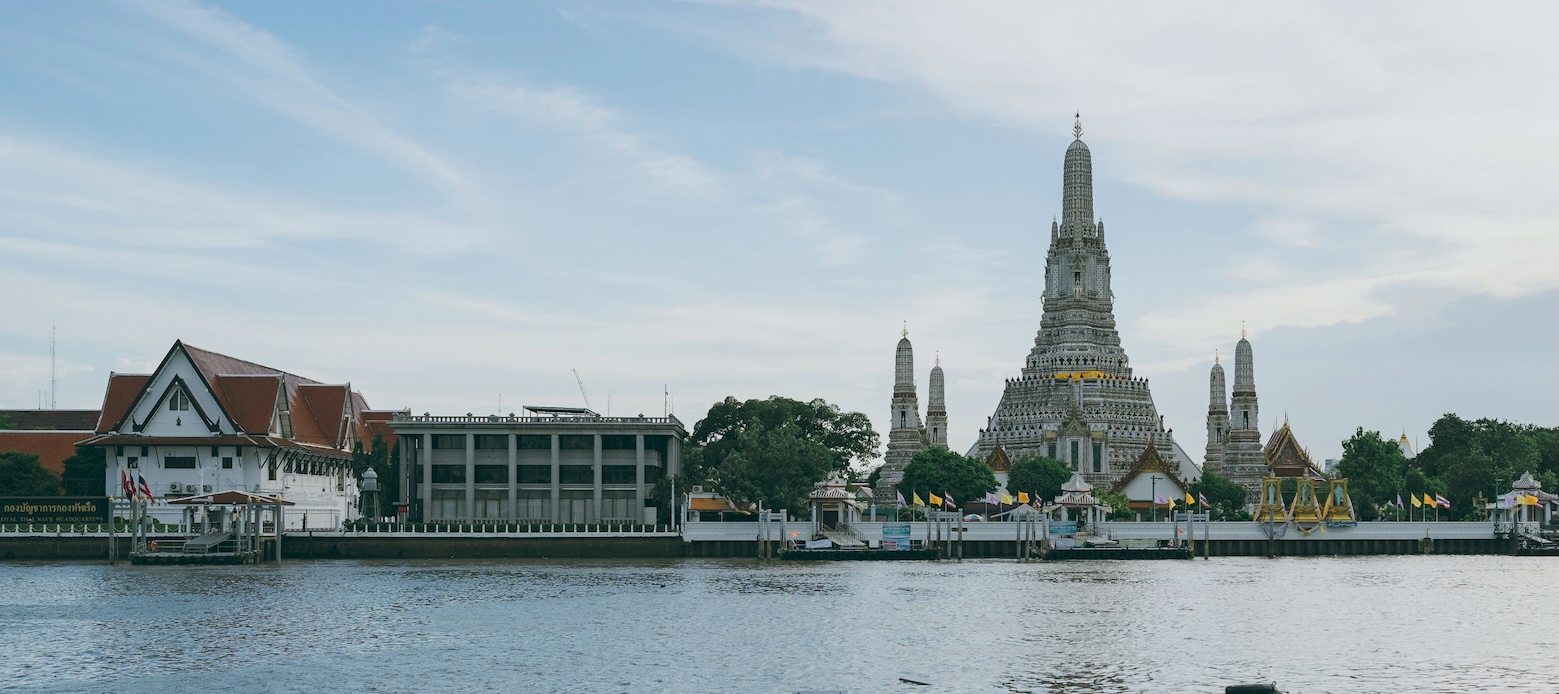
Thailand Holds General Elections After Parliament Dissolution
On 8 February, Thai citizens will vote to elect members of the House of Representatives, the lower house of the National Assembly, following its dissolution in December 2025. 500 seats are up for election, with 400 chosen by constituency and the remaining 100 allocated to political parties in proportion to their nationwide vote share. 251 parliamentary votes are required to elect a prime minister, which is typically achieved through post-election coalition negotiations between multiple parties. The election must be certified within 60 days, by 9 April, and the parliament must convene within 15 days of election results being confirmed.
A referendum is also scheduled for the same day to determine whether to replace the current constitution, which was only enacted in 2017. Thailand’s Constitutional Court ruled in September 2025 that drafting a new constitution requires three referendums. The first would approve the initiation of the drafting process; the second would focus on the draft’s key principles and approach; the third would constitute final approval of the draft.
57 parties have registered to take part in the election, but three main parties will be the primary contenders: the ruling conservative Bhumjaithai Party (BJT), the progressive reformist People’s Party (PP), and the populist Pheu Thai Party (PTP). Incumbent Prime Minister Anutin Charnvirakul is representing BJT. PP and PTP are the third incarnations of previous parties dissolved by the Thai courts for legal or technical breaches.
ASSESSMENT
Southern Insurgency Likely to Escalate During Thai Election Period
Thailand’s current constitution was adopted in 2017 following a political crisis, which led to the removal of Yingluck Shinawatra in a military coup in 2014. As it was drafted under a military junta, the current constitution was approved in a tightly controlled referendum and is viewed as granting excessive power to the Senate, which has the authority to approve the prime minister and members of numerous independent bodies, including the Thai Constitutional Court. Many Thais view the constitution as imposed rather than chosen and have demanded reforms.
The election is taking place amid a broader political crisis. The border dispute with Cambodia, which led to direct fighting in July and December 2025, triggered the expulsion of former Prime Minister Paetongtarn Shinawatra (niece of Yingluck and daughter of former prime minister Thaksin Shinawatra, both members of PTP or one of its predecessors) after she expressed deference to the Cambodian former leader Hun Sen and criticised the Thai military in a leaked phone call.
Her successor, Anutin Charnvirakul, who took power in September, has faced heavy criticism over his minority government’s handling of the flooding in southern Thailand in November, which left at least 176 people dead. Adding to this was PP’s pulling of support from the BJP and its looming vote of no confidence over its alleged failure to honour promises to reform the constitution, compelling Anutin to dissolve parliament and call a general election in December.
A coalition government is the expected outcome of the election, with no party likely to win an outright majority. According to recent polling by Suan Dusit, respondents to a 28 January poll backed BJP by 21.14 per cent, PP by 21.11 per cent, and PTP by 17.56 per cent. 23.85 per cent of respondents were “still undecided”, suggesting that there could be a large disparity in electoral results from the polling. In a 6-9 January poll, PP leader Natthaphong Ruengpanyawut was the top choice for prime minister for 31.99 per cent, with PTP leader Yodchanan Wongsawat second on 17.45 per cent, and the incumbent Anutin third on 15.14 per cent. However, BJP’s polling has likely been inflated by a surge in nationalism linked to the ongoing Thailand-Cambodia border dispute and could diminish in the lead-up to the election, should the current ceasefire continue to hold.
Despite its popularity in the polls, PP faces potential legal action from the National Anti-Corruption Commission (NACC) that could bar dozens of its members from running for attempting to amend Article 112 of the Criminal Code, Thailand’s royal insult (lèse-majesté) law, in 2021. The amendment sought to reduce penalties, narrow who could file complaints, and limit what constitutes an offence. While procedurally lawful within parliament, the proposal was later characterised by opponents as an abuse of office and an act undermining the constitutional order.
In the 2023 election, PP’s progenitor party, Move Forward, which openly campaigned on amending Article 112, won 151 seats in parliament, the most votes of any party, but was blocked from power by lawmakers tied to the royalist military due to its support for the amendment. Its prime ministerial candidate, Pita Limjaroenrat, was subsequently suspended from parliament and later barred from politics after Thailand’s Constitutional Court ruled that his candidacy violated electoral law, effectively preventing him from assuming office.
Since then, PP has moderated its position during this electoral campaign, dropping the call to change Article 112 and softening its stance on the military, which it previously wanted to drive out of politics. Even so, PP’s historical backing of the amendment almost certainly exposes the party to political pressure and, in extremis, potential bans from candidacy.
Should PP receive the most votes but be barred from candidacy, widespread protests are highly likely, as was observed in 2023. These would highly likely be led by the Thai youth, who make up a large part of the reformist parties’ support base. Previous bouts of major unrest mixed with institutional paralysis have triggered coups from Thailand’s powerful military on numerous occasions. This is unlikely to occur again in the short-term due to independent mechanisms typically now being preferred tools for managing political crises in Thailand in an effort to increase democratic legitimacy. However, if protests become widespread, violent, and sustained, with a political deadlock over the election winner, this would highly likely increase the risk of a coup.
Large-scale unrest is not the only potential physical risk likely to increase in Thailand during the electoral campaign. Thailand has been experiencing an ongoing separatist insurgency since 2004 in the southern provinces of Pattani, Yala, Narathiwat, and parts of Songkhla. Insurgents have traditionally increased attacks during electoral cycles to undermine the central government and achieve maximum publicity for their cause. In 2023, insurgents set fire to cell phone towers and tyres across Yala, Pattani, and Narathiwat provinces. During the election periods in 2011 and 2014, insurgent activity increased around polling and campaigning phases, marked by attacks on infrastructure, local officials, and security forces.
On 11 January 2026, a series of coordinated bomb and arson attacks targeted PTT petrol stations across Thailand’s Deep South, injuring at least four. A member of the largest insurgent group, Barisan Revolusi Nasional (BRN), has since declared that the group is “likely to conduct attacks like arson, shootings and bombings to remind political parties of their demands” around the general election. Further attacks in the run-up to the election are likely, with incidents likely to be contained to the southern border provinces of Pattani, Yala, Narathiwat, and parts of Songkhla, and designed to generate publicity and exert political pressure, rather than cause mass casualties. However, attacks on Thai Buddhists, state officials, military personnel, police officers, and local Muslims perceived as cooperating with the authorities have increased in recent years, and there is a realistic possibility that more hardline elements of the insurgency will conduct more deadly attacks during the electoral period.
Request Journey Management Support
Election Guide
Costa Rica Election Focuses on Crime and Security
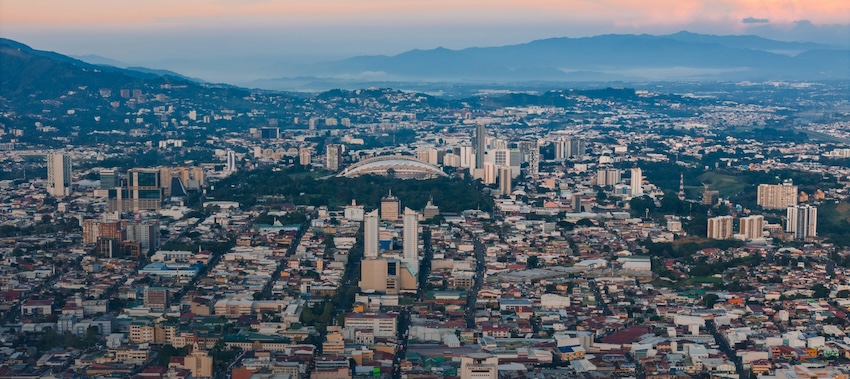
Costa Rica Holds General Elections on 1 February
Costa Rica will hold general elections on 1 February to elect the president, the two vice presidents, and the 57 members of the Legislative Assembly. To be elected president, a candidate must secure at least 40 per cent of the vote in the first round. If that does not occur, the two candidates who received the most votes will compete in a run-off election on 5 April. If multiple candidates cross the 40 per cent threshold, the one who receives the most votes is elected president in the first round. Legislative Assembly seats are assigned via proportional representation across the country’s seven electoral districts.
Current polls indicate that Minister of National Planning and Economic Policy Laura Fernández Delgado is a clear favourite to win the first round. Polling from 21 January suggests she is approaching the critical 40 per cent mark, providing her with a realistic possibility of securing an outright first-round victory if current support levels are maintained. Fernández is running for the right-wing populist Sovereign People’s Party (PPSO), which was only founded in 2022. She also has the backing of incumbent President Rodrigo Chaves, who is currently an independent and barred from running for re-election.
Several candidates are competing for a possible second spot in the runoff, although they are all polling below double digits. They include: Álvaro Ramos Chaves, of the centrist National Liberation Party (PLN), Fabricio Alvarado, an Evangelical singer who heads the conservative New Republic Party (PNR), Claudia Dobles Camargo, the former first lady of Costa Rica who is supported by the centre-left National Democratic Agenda (AND) coalition, and Ariel Robles Barrantes, of the democratic socialist Broad Front (FA).
ASSESSMENT
Crime Surge and Mano Dura Proposals Shape Voter Sentiment
The elections occur at a time of increasing political turmoil in Costa Rica. President Chaves is currently involved in a conflict with the Supreme Electoral Tribunal (TSE) and has survived two attempts to strip his electoral immunity over suspected electoral violations. This instability was highlighted on 19 January, when the head of Costa Rica’s intelligence agency reported that it had received information about a plot to assassinate Chaves ahead of the vote, although the activist who was accused has denied the allegations and suggested they were politically motivated.
Moreover, the crime rate has increased significantly, which has largely been attributed to the spread of transnational organised criminal groups since the late 2010s. In 2023, the murder rate reached 17.2 per 100,000, around 40 per cent higher than its previous peak in 2017. Increasing crime rates have resulted in growing public scepticism towards the political class. According to polls, large sections of the electorate have become disillusioned with the existing parties, with up to half of voters still undecided regarding their preferred candidate.
Law and order and the fight against corruption are highly likely to be the main issues during the electoral campaign, mirroring patterns observed in other Latin American states. In countries like Chile, Honduras, and Ecuador, leaders have increasingly responded to these concerns with promises to implement Mano Dura (“Iron Fist”) policies. Such policies have been characterised by mass detentions, increased police powers, and the curtailing of civil liberties. Mano Dura’s application by the government of El Salvador, which resulted in a sharp decrease in the violent crime rate, has become a model for other Latin American nations seeking to combat organised crime.
Fernández, expanding on Chaves’s positions, has pledged to implement Mano Dura in Costa Rica, vowing to build a “maxi-prison” like El Salvador’s CECOT facility, curtail civil rights in high-crime areas, and extradite Costa Ricans involved in organised crime to other countries, especially the US. These hardline stances, combined with Chaves’s enduring popularity (likely bolstered by the president’s clash with the legal “establishment”, have likely solidified Fernández’s primacy in the polls.
Still, Fernández’s victory, while highly likely due to the significant divisions within the opposition, is not certain. If the vote goes to a runoff, her competitor will almost certainly have an opportunity to unify at least part of this fragmented vote. However, the low levels of disillusionment within the electorate may make a significant swing in support between the two rounds unlikely.
Costa Rica has a long history of stable and peaceful political transitions. However, the country has had occasional waves of large-scale unrest, which have at times turned violent. The latest occurred in 2018, when labour unions staged a three-month strike over a proposed tax reform. The strike was marked by widespread and sometimes violent clashes between authorities and the protesters, as well as multiple incidents of vandalism.
It is unlikely that the upcoming vote itself will trigger large-scale violent unrest in Costa Rica. However, persistent political tensions, particularly the unresolved dispute between the executive and the TSE, could become catalysts for broader instability depending on the policies adopted by the incoming administration in its early months. The potential and controversial implementation of Mano Dura–style security measures is likely to result in significant division. While rising crime rates and the threats associated with transnational organised crime groups will almost certainly be leveraged to justify their implementation, for many, such draconian policies will likely be interpreted as a state overreach in a country that has traditionally championed democratic institutions and civil liberties, and which has historically been less affected by violent crime than many of its Central American neighbours.
Request Journey Management Support
Election Guide
Portugal Votes in Fragmented Presidential Election
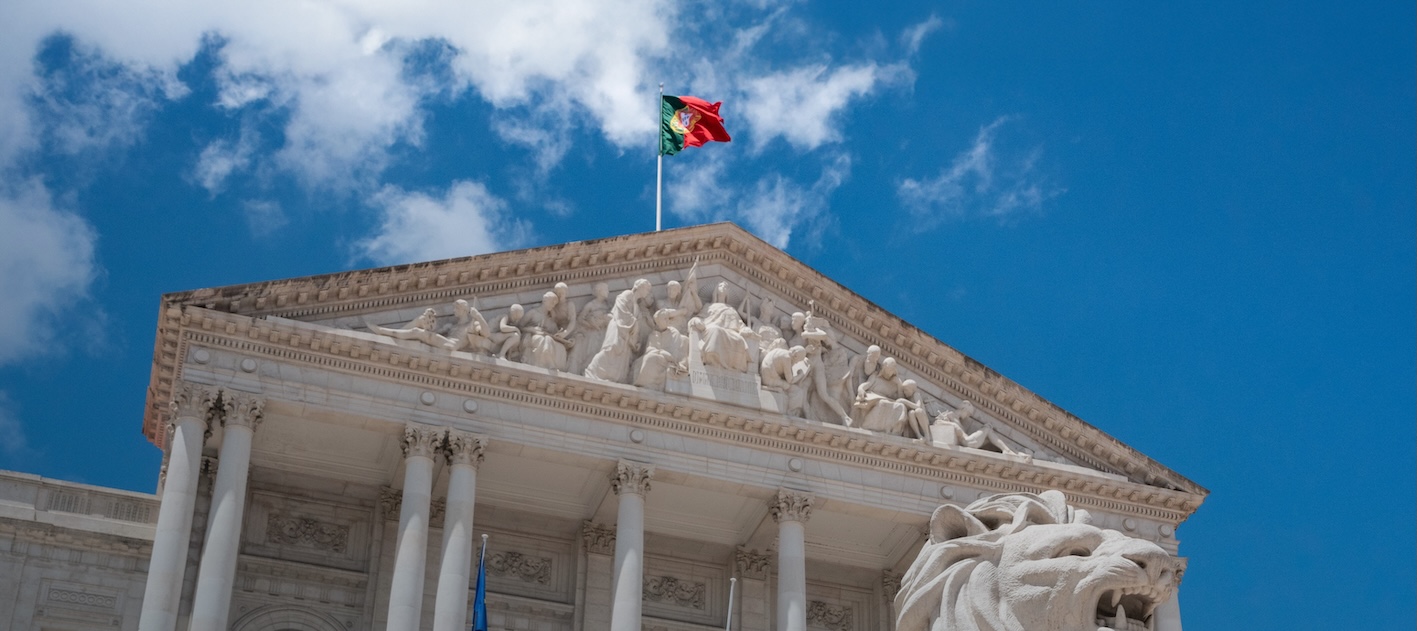
Portugal Heads to Presidential Polls With Runoff Likely
On 18 January, Portuguese citizens will vote to elect their new President for a five-year term. The winning candidate needs to obtain a majority of 50 per cent of votes plus one. If that fails to occur, then the two leading candidates will compete in a run-off vote on 8 February. The incumbent President Marcelo Rebelo de Sousa, in office since 2016, is constitutionally barred from seeking a third consecutive term.
Portugal is a semi-presidential republic, and the president, while mostly holding ceremonial responsibilities, has some tangible political power (unlike, for example, the heads of state of Italy and Germany). For example, the president has the authority to veto laws and appoints not only the prime minister, but also other members of government.
Eleven official candidates are contesting for the presidency. A first-round victory seems highly unlikely, and current polls indicate that only five of the candidates have a realistic possibility of progressing to the second round. André Ventura, the founder of the far-right nationalist party Chega! (CH) leads the polls with approximately 19.5 per cent support. Marques Mendes, the candidate of the governing centre-right Social Democrat Party (PSD), polls at 19 per cent. António José Seguro, of the Socialist Party (PS), has around 17.5 per cent support, as does Henrique Gouveia e Melo, an “outsider candidate” and former Chief of the Naval Staff who is running as an independent and has significant centre-right support. Finally, João Cotrim de Figueiredo, president of the Liberal Initiative (IL), polls at around 16.5 per cent.
ASSESSMENT
Portugal Far-Right Momentum Emerges as Key Election Variable
The elections are likely to be a crucial test for Chega that could accelerate the party’s political momentum. In May’s parliamentary elections, Chega won 22.8 per cent of the vote, improving on its 2024 result and becoming the main opposition force in parliament. On the other hand, Chega was generally seen as having underperformed at the October 2025 local elections, only winning in three municipalities.
Securing the presidency would almost certainly grant Chega significant leverage over the governing PSD-led coalition. A Chega president could threaten to weaponise presidential veto powers to extract significant legislative concessions and shift the parliament to the right, encouraging PSD to work more often with Chega.
Holding the presidential office for five years is also an important political asset at a time of extreme parliamentary instability in Portugal. The 2025 vote was the third in three years, and the current governing coalition only retains a parliamentary minority. Finally, Chega’s position is further reinforced by Portugal’s lack of a developed cordon sanitaire system; the informal agreement that, in the parliaments of other European countries, such as France and Germany, centrist parties unite to keep the far-right out of power.
Current polls indicate that Ventura is likely to reach the second round. In other European head-to-head electoral contests involving a far-right candidate (such as, for instance, the second round of the 2022 French presidential elections), supporters of rival parties have typically coalesced around the leading alternative candidate to deny a far-right victory. However, several of the presidential candidates are from the right of the political spectrum, and if the choice is between Chega and the Socialist Party, Ventura’s chances will likely markedly increase, with right-leaning voters, not affected by a cordon sanitaire, potentially opting for Chega to block the left. On the other hand, a centre-right candidate may have a greater chance of winning centre-left voters by positioning themselves as a “lesser of two evils” against the far-right.
While presidential elections in Portugal seldom result in protests, a (likely) second round involving Ventura, which raises the possibility of a Chega head of state, would likely become an important cause of public opposition. Chega’s growth in the polls has meant that party rallies have increasingly been met by large counterprotests. Occasionally, as during the April 2025 Revolution Day celebrations in Lisbon, these demonstrations have escalated into clashes between opposing groups.
Furthermore, the likelihood of civil unrest after the first round of the elections is further increased by recent political developments in Portugal. In December, Portugal experienced its largest general strike in a decade, which forced the government to amend a labour reform package that opponents said reduced workers’ rights. Before the protests, the reform, proposed by the PSD coalition, was widely expected to be approved by parliament with Chega’s support. Chega representatives later backtracked and called on the government to amend the legislation as protests gained significant traction. Emboldened by their recent success, labour unions may stage further demonstrations, particularly if the runoff appears to be “tilted to the right”, for example, in a Ventura-Mendes scenario.
While large-scale protests cannot be ruled out, especially in Lisbon, protests after the first round are likely to be mostly peaceful and smaller-scale. On the other hand, direct action by groups opposing Chega is likely. This may include vandalism, particularly targeting party premises and police and government offices, and possibly small-scale political violence, such as clashes involving opposing political activists.
Request a Journey Management Support
Election Guide
Uganda Braces for Unrest Ahead of General Elections
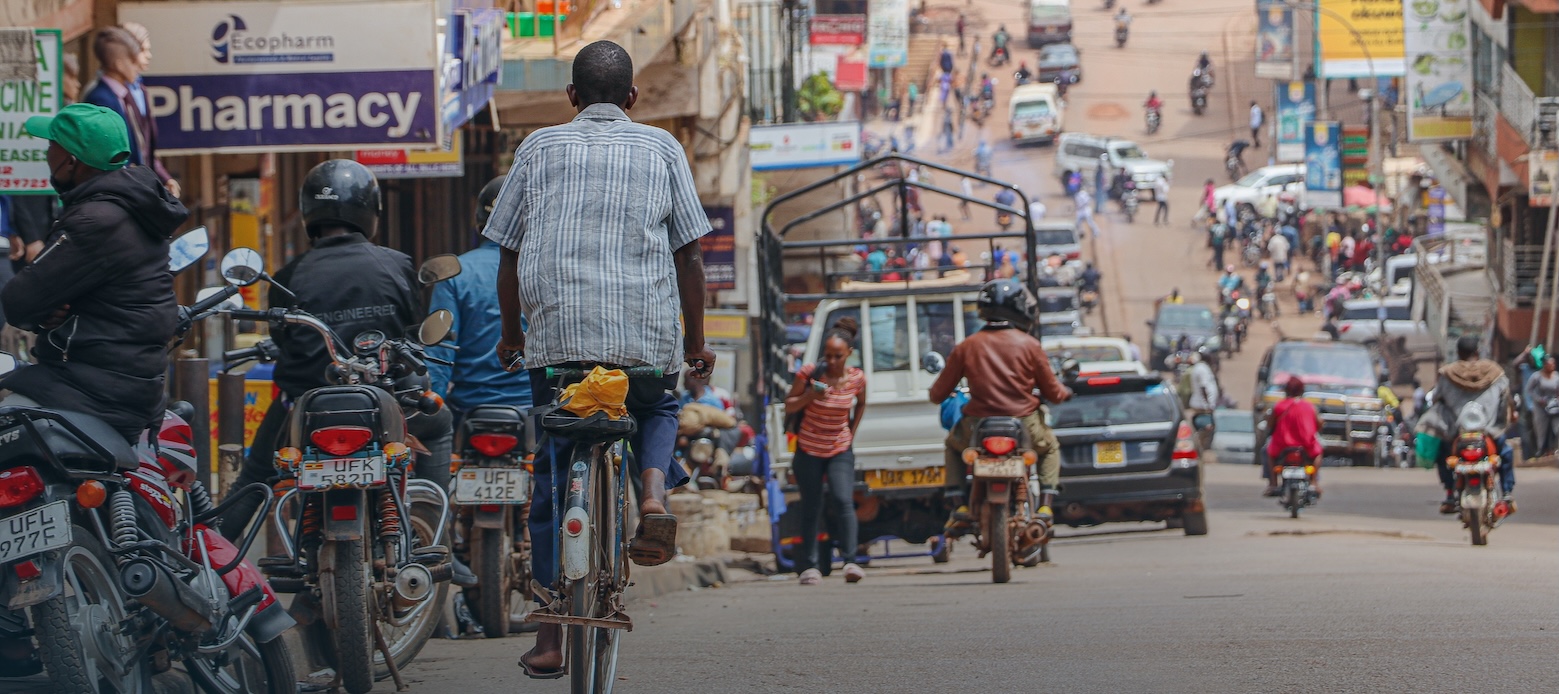
Uganda Heads to the Polls Amid Heightened Security
On 15 January, Ugandans will take part in general elections to elect the president and members of parliament. The president will be elected in a two-round system, with candidates requiring at least 50 per cent of the vote to be elected in the first round. The 529 members of the Ugandan Parliament will be elected via a first-past-the-post system. 146 seats are reserved for women, with one seat per district, and 30 seats are indirectly filled via special electoral colleges.
Uganda’s Electoral Commission has cleared 27 parties to participate. Eight presidential candidates are competing. The 81-year-old Incumbent President Yoweri Museveni was declared the ruling National Resistance Movement (NRM) party’s candidate and is seeking to extend his rule, which has been ongoing since 1986, to a seventh term. Opposition leader Robert Kyagulanyi, popularly known as Bobi Wine of the National Unity Platform (NUP) is the primary opposition candidate.
The lead-up to the elections has been characterised by intimidation, violence, and arrests targeting the opposition. Over 300 opposition supporters have been detained, with rallies being met by the police with tear gas, roadblocks, and arbitrary arrests. On 5 January 2026, Wine shared social media footage of security forces arresting and manhandling a journalist. This was the latest in a series of incidents involving heavy-handed tactics by security forces, typically against Wine supporters at his political rallies. Wine has claimed at least three deaths at his rallies at the hands of security forces, including one instance of a supporter being shot and another being hit by a military truck. In May 2025, Muhoozi Kainerugaba, Museveni’s son, who is likely being groomed as the next in line for the presidency, boasted of torturing Wine’s chief bodyguard.
ASSESSMENT
Security Force Crackdowns Likely if Protests Erupt
Previous Ugandan elections have resulted in significant levels of violence. In November 2020, in the lead-up to the January 2021 general election, security forces arrested Wine, citing violations of COVID-19 protocols. Widespread protests erupted across Uganda, particularly in Kampala and other urban areas. Security forces cracked down on protests, deploying tear gas, rubber bullets, and live ammunition, and detaining approximately 3,000 people over the election period.
In July 2024, young Ugandans engaged in anti-government protests in Kampala, largely inspired by similar youth-led movements in Kenya. Security forces quickly cracked down on demonstrations, detaining at least 100 protesters. Museveni, Africa’s third-longest-running leader, has cracked down on opposition in recent years, arresting and trying numerous opposition figures in military courts. Wine himself has been arrested multiple times since campaigning for the presidency, most recently in October 2023.
A rising cost of living crisis, primarily driven by rising fuel and food costs, combined with perceptions of government corruption, has fuelled significant frustration among Uganda’s youth. If the election is perceived as unfree and unfair, or if the security forces use excessive or unwarranted force against the opposition, there is a realistic possibility that widespread unrest could break out. Security forces have historically cracked down on protesters with severe force and are highly likely to respond similarly to any unrest during the upcoming election. While the security crackdown acted as a deterrence to protesters in July 2024, Wine could act as a figurehead for post-election protests, potentially helping to sustain demonstrations despite the high likelihood of security force crackdowns.
Despite the head of the Uganda Communications Commission’s (UCC) reassurance that reports of potential internet blackouts were “mere rumours”, internet blackouts are likely in the lead-up to the election. The government has already banned the sharing of live footage of riots, “unlawful processions”, and other violent incidents ahead of the election. Youth-led protests are generally heavily reliant on real-time updates, viral content, and livestreamed evidence of police brutality to sustain demonstrations. By cutting the internet, the government can disrupt protester coordination, prevent the documentation of abuses by security forces, isolate activists, and limit the spread of anti-government sentiment. During the 2021 election, during which widespread protests took place in Kampala, the internet was cut for four days.
If civil unrest breaks out, demonstrations are likely around the Central Business District and near government buildings; during the July 2024 anti-corruption protests, groups marched through Kampala towards the parliament building but were blocked by the security forces. Large anti-government protests would highly likely result in travel disruptions, with security forces likely to use roadblocks to prevent protesters from accessing government buildings and diplomatic zones.
Request a Journey Management Support
Alert+
Tanzania Protests
Protests Erupt in Dar es Salaam Amid Election Unrest and Government Crackdown
SITUATION SUMMARY | Intelligence cut off: 1600 UTC 29 OCTOBER 2025
As a result of general elections being held in Tanzania on 29 October, civil unrest has broken out in Dar es Salaam, with protesters gathering along major highways to demand electoral reforms and fair elections.
Security forces deployed tear gas to disperse opposition supporters in the Kimara Kibo area, with social media footage depicting demonstrators responding by throwing rocks. In the Kimara Baruti area, protesters set fire to a bus station. Demonstrations have also been reported in Magomeni, Ubungo, Kinondoni, Shekilango, and Tandale areas. Several polling stations have reportedly been attacked and multiple protesters have been injured.
The US Embassy in Tanzania has advised US government personnel to shelter in place and avoid demonstrations or crowds, keep a low profile, monitor local media for updates, and be aware of their surroundings.
NetBlocks has reported a nationwide internet disruption, and authorities have declared a curfew in Dar es Salaam from 18:00 local time.
INTELLIGENCE ANALYSIS
Ruling Party’s Tight Grip Fuels Election Tensions and Nationwide Unrest Risk
Tanzania’s ruling party, Chama Cha Mapinduzi (CCM), has held power since the country’s independence in 1961, initially through its predecessor party, Tanzania Mainland (TANU). Since the 2015 election, which resulted in CCM achieving its smallest vote share of 58 per cent, the government has become increasingly authoritarian. Under incumbent president Samia Suluhu Hassan, the government has cracked down on opposition, civil society, and journalists.
The main opposition party, The Party for Democracy and Progress (CHADEMA), was barred from running in April 2025, with its leader, Tundu Lissu, arrested and charged with treason in response to pro-democracy protests. Luhaga Mpina, the presidential candidate for Alliance for Change and Transparency – Wazalendo (ACT-Wazalendo), was also disqualified from entering the race due to alleged procedural issues within the party’s nomination process.
The general election is widely perceived as cementing the continuation of CCM’s rule, with the party standing effectively unchallenged. Post-2015 elections have been characterised by observers as containing systematic fraud, intimidation, and obstruction. Electoral results have heavily favoured the government, with CCM securing 98.7 per cent of the vote share in the 2020 parliamentary elections and 99.3 per cent in the November 2024 local government elections. The ongoing general elections will highly likely result in the government achieving similarly high numbers to recent elections.
Tanzania has historically responded harshly to civil unrest. Following the 2020 elections, protests against government corruption erupted in Zanzibar. Security forces responded forcefully, with reports of soldiers, police, and a militia linked to the CCM beating civilians and using live ammunition against demonstrators, killing nine. Thousands also demonstrated in January 2024 to demand constitutional changes to reform the electoral commission and reduce presidential powers.
Authorities will highly likely enforce the curfew severely in an attempt to prevent the protests from gaining traction. If the protests continue, the authorities will highly likely respond with crackdowns including mass arrests, tear gas, water cannon, and potentially live ammunition. Internet shutdowns are almost certainly being imposed to prevent the spread of anti-government sentiment, particularly among the youth, with large-scale ‘Gen Z’ protests leading to the ousting of governments in Nepal and Madagascar in recent months.
There is a realistic possibility that major protests will spread beyond Dar es Salaam and become widespread across Tanzania’s urban centres, including Dodoma and Zanzibar, where military personnel have reportedly been deployed. If civil unrest escalates, airport disruptions are likely, with airlines potentially cancelling flights and roadblocks preventing access to major airports.
Travel and Safety Guidance
- Avoid all major government buildings, polling stations, universities, and police facilities. Reassess travel to Tanzania.
- Allocate additional time for all road travel in Dar es Salaam and other urban centres in Tanzania.
- Plan for potential internet and communications disruptions; ensure you have emergency contacts saved on your phone and plan any potential travel routes. Emergency contacts should include the local authorities, medical facilities and any consular support. Ensure that mobile phones are charged in case of any loss of electricity.
- Closely monitor announcements from local authorities and trusted media sources for any developments that may severely impact the local security environment.
- Avoid all areas of unrest due to incidental risks to bystanders. If caught in the unrest, travellers should move with the crowd until they find the nearest opportunity to escape. If in a vehicle, look to turn down the nearest road. If driving away is not an option, lock the vehicle and escape on foot.
- Always follow all instructions and orders from authorities. Where possible, avoid areas of active unrest and remain in a secure accommodation. Adhere to curfews.
- Prolonged civil unrest can disrupt travel, especially if protesters begin targeting airports. Travellers should have contingency measures in place, including evacuation plans and reliable access to food, water and medication.
- If caught in the vicinity of a security incident, seek shelter immediately and leave the area if safe to do so. Continue to adhere to all instructions issued by authorities and obey any security cordons in place.
- If available, monitor your intelligence provider’s alerting platform for updates relevant to the unrest.
Request Evacuation Assistance
If you need secure, coordinated support to move personnel out of a high-risk location, our team is ready to help – quickly, calmly, and with care.
Alert+
Cameroon Protests
Protests Erupt in Douala Following Election Announcement
SITUATION SUMMARY | Intelligence cut off: 1500 UTC 27 OCTOBER 2025
On 27 October, Cameroon’s Constitutional Council declared victory for incumbent President Paul Biya, who won an eighth seven-year term with 53.66 per cent of the vote share. Opposition leader and primary challenger to Biya, Tchiroma Bakary, came second with 35.19 per cent of the vote.
Shortly after the announcement of the vote, Bakary announced that the military was shooting at civilians outside his Garoua residence, with unconfirmed reports claiming that two had been killed. Unverified images circulating on social media show gunmen posted on the roof of a home close to Bakary’s home.
Demonstrations have already been reported in Cameroon’s largest city, Douala, with eyewitness videos showing smoke on the streets of the New Bell area. According to local media, anti-government protesters have blocked the eastern entrance road into the city. Social media videos depict armoured vehicles being deployed to the Makepe Missoke area.
The vote results came after increasing tensions in Cameroon, with Bakary unilaterally declaring victory in the presidential election in a five-minute speech posted on social media on 14 October, in which he urged incumbent Biya to concede. Bakary’s declaration comes despite the Constitutional Council, the official electoral body, not having yet declared the election results. No official government response has been issued.
Following the victory claim, protests erupted in multiple cities on 15 October to demonstrate against perceived vote-counting irregularities, with clashes occurring in Douala, Dschang, Kousseri, and Limbe. In Dschang, protesters set the courthouse, public prosecutor’s office, and ruling Cameroon People’s Democratic Movement (CPDM) headquarters ablaze while police deployed tear gas and conducted arrests.
Further demonstrations occurred on 21 October in Garoua, in the country’s north, in support of Bakary. Authorities announced that they arrested at least 20 people during the protests. One teacher was reportedly shot dead.
Protests again occurred on the eve of the results announcement, on 26 October. In Douala, protesters reportedly attacked a gendarmerie brigade and police stations; four individuals died in the clashes. In Garoua, Bakary supporters clashed with security forces, who deployed tear gas to disperse protesters.
Internet access has been disrupted in recent days, according to NetBlocks.
INTELLIGENCE ANALYSIS
Escalating Unrest Likely as Public Anger Mounts and Government Crackdown Intensifies
Protests are highly likely to intensify across major cities and Bakary strongholds, such as Douala, Yaoundé, and Dschang, and could spread nationwide. A significant portion of the population almost certainly believes the vote count was manipulated and is highly likely to mobilise in support of Bakary. The violent confrontations that occurred on 15, 21, and 26 October indicate that demonstrations could rapidly turn violent. The perception that security forces have been stationed outside Bakary’s residence is likely to reinforce public anger and the potential for escalation.
Biya’s government has become increasingly repressive in recent years. Starting in 2016, harsh measures have been imposed on the Anglophone communities in the Northwestern and Southwestern regions, which comprise approximately 15 to 20 per cent of the population. At least 3,000 people have been killed and nearly 700,000 people displaced in the violence. The government has also cracked down on civil society, arresting and intimidating journalists and opposition figures, preventing criticism of the government, and denying permission for gatherings.
Cameroon’s population has struggled with unemployment and a rising cost of living. Cameroon’s young population remains politically disenfranchised, with many viewing the government as deeply corrupt under President Paul Biya, who has ruled since 1982. Bakary declaring victory will highly likely be perceived as a potential catalyst for widespread civil unrest, which could unseat the current government, almost certainly inspired by recent demonstrations in Nepal and Madagascar.
The 2018 election resulted in protests across the country led by opposition figure Maurice Kamto, which the government responded to with a heavy crackdown and excessive force against demonstrators. Security forces have demonstrated similar patterns in response to recent demonstrations, and anti-government demonstrations will almost certainly be met with severe crackdowns, with security forces highly likely to use live ammunition, crowd-dispersal measures such as tear gas and water cannon, internet blackouts, and mass arrests.
If civil unrest escalates, airport disruptions are likely, with airlines potentially cancelling flights and roadblocks preventing access to major airports. Curfews could also be imposed, further disrupting transportation.
Travel and Safety Guidance
- Avoid all major government buildings, universities, and police facilities. Reassess travel to Cameroon.
- Allocate additional time for all road travel in Douala and other urban centres in Cameroon.
- Plan for potential internet and communications disruptions; ensure you have emergency contacts saved on your phone and plan any potential travel routes. Emergency contacts should include the local authorities, medical facilities and any consular support. Ensure that mobile phones are charged in case of any loss of electricity.
- Closely monitor announcements from local authorities and media sources for any developments that may severely impact the local security environment.
- Avoid all areas of unrest due to incidental risks to bystanders. If caught in the unrest, travellers should move with the crowd until they find the nearest opportunity to escape. If in a vehicle, look to turn down the nearest road. If driving away is not an option, lock the vehicle and escape on foot.
- Always follow all instructions and orders from authorities. Where possible, avoid areas of active unrest and remain in a secure accommodation. Adhere to curfews.
- Prolonged civil unrest can disrupt travel, especially if protesters begin targeting airports. Travellers should have contingency measures in place, including evacuation plans and reliable access to food, water and medication.
- If caught in the vicinity of a security incident, seek shelter immediately and leave the area if safe to do so. Continue to adhere to all instructions issued by authorities and obey any security cordons in place.
- If available, monitor your intelligence provider’s alerting platform and trusted local media for updates relevant to the unrest.
Request Evacuation Assistance
If you need secure, coordinated support to move personnel out of a high-risk location, our team is ready to help – quickly, calmly, and with care.
Intelligence Lite
Free
- Weekly Intelligence Email with Key Events
- Alert+ Situation Summary for Immediate Incidents
- Quarterly Global Election Report (Lite Version)
- Yearly Global Risk Outlook (Lite Version)
Intelligence Plus
Full Subscription
- Weekly Global Intelligence (Full Report)
- Alert+ Reports (Summary and Full Analysis)
- Quarterly Live Q&A Webinar with Intelligence Team
- Quarterly Global Election Report (Full Report)
- Yearly Global Risk Outlook
- Ongoing Thematic & Regional Deep Dive Reports
- On-demand Pre-Travel Advisories (2 reports per year)

Subscribe to receive full reports
Join the thousands of risk management professionals that rely on our intelligence every week.
Includes 70+ reports written by expert analysts.
Subscribe

