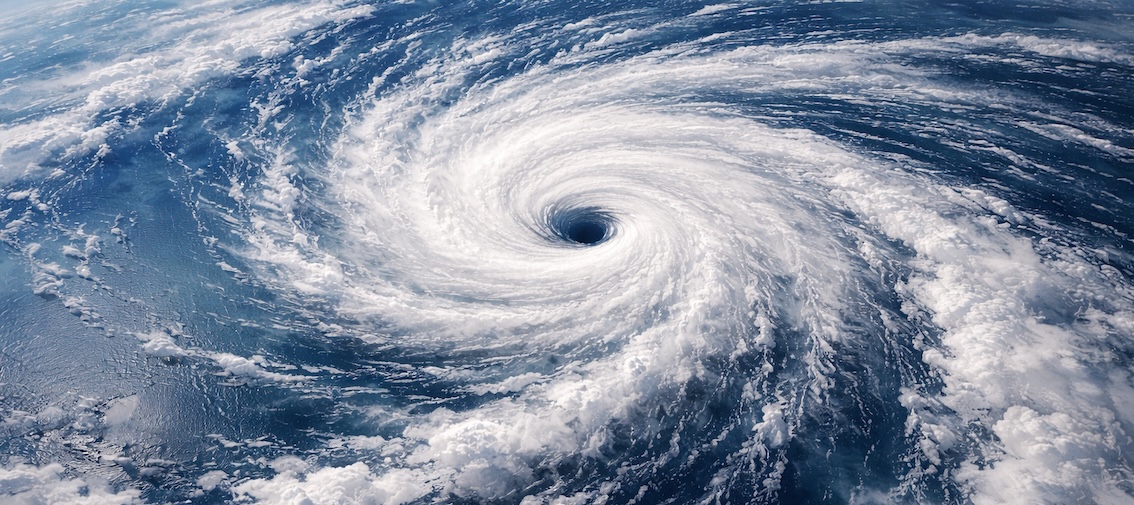
Climate Disasters Are Exposing Limits in Forecasting and Planning
Climate events are no longer confined to expected geographies or seasonal patterns. Storms are forming in atypical locations, rainfall is exceeding historical baselines, and environmental conditions are shifting faster than many models can account for.
In multiple cases, forecasting systems, early warning mechanisms, and planning assumptions failed to reflect the scale and speed of impact. This is reducing the reliability of traditional risk models and increasing pressure on organisations to reassess how they evaluate exposure.
Early Warning and Crisis Communication Gaps in Recent Climate Disasters
Across recent events, delays in alerting, reliance on single communication channels, and approval-based escalation processes limited the effectiveness of warnings. In some cases, alerts were issued too late or failed to reach affected populations entirely.
At the same time, infrastructure damage disrupted communications at the point when coordination was most needed. Communities were left without situational awareness, and response teams faced reduced visibility of conditions on the ground.
How Infrastructure Weaknesses Are Amplifying Disaster Impact
Even where response efforts were large-scale and well-coordinated, infrastructure limitations and fragmented coordination structures reduced effectiveness. Damage to transport, power, and communication networks slowed access and delayed support.
In parallel, overlapping authorities and unclear command structures created inefficiencies in decision-making. These factors contributed to slower response times and reduced the overall effectiveness of crisis management.
What Organisations Should Do to Improve Preparedness and Response
Improving preparedness requires a shift from static planning to more adaptive, intelligence-led approaches. Risk assessments need to account not only for primary hazards, but also for secondary impacts such as infrastructure failure, unrest, and prolonged disruption.
Enhanced situational awareness, resilient communication systems, and clearly defined escalation processes are central to improving response. Layered communication models and real-time intelligence capabilities can help maintain visibility and coordination in degraded environments.
Understanding Climate Security Risks and Preparedness Gaps
Climate-linked disasters are becoming harder to predict and manage. In this episode, intelligence analyst Joshua George examines how gaps in preparedness, infrastructure and response are increasing operational and security risk.